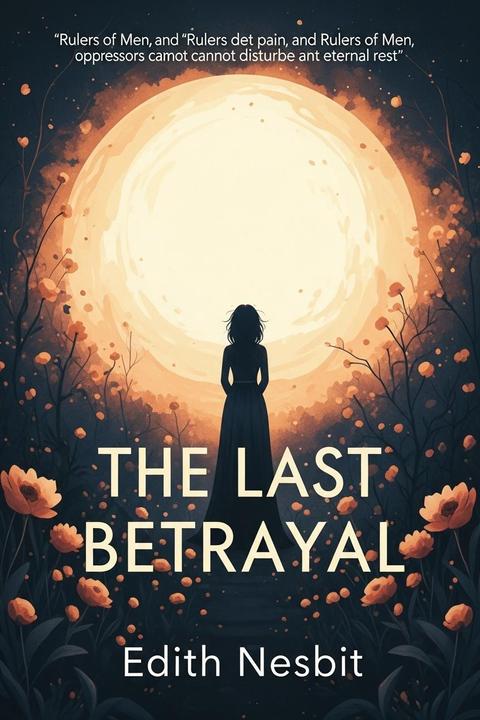
The Last Betrayal by Edith Nesbit
The poem's speaker reflects on their impending death, envisioning a peaceful state where they will be free from pain and reunited with nature. They express surprise that this serene afterlife seems accessible without obstacles or conditions, implying that even the powerful "Rulers of men" are unaware of its existence. The speaker suggests that while they have been forced to endure suffering, their oppressors will not be able to disturb their eternal rest.
By Edith Nesbit · First published 1909 · Genre: Mystery, Thriller, Drama · 138 words
First lines
AND I shall lie alone at last, / Clear of the stream that ran so fast, / And feel the flower roots in my hair, / And in my hands the roots of trees; / Myself wrapt in the ungrudging peace / That leaves no pain uncovered anywhere.
What -- this hope left? this way not barred? / This last best treasure without guard? / This heaven free -- no prayers to pay? / Fool -- are the Rulers of men asleep? / Thou knowest what tears They bade thee weep, / But, when peace comes, 'tis thou wilt sleep, not They.
What this Textopian page supports
The Last Betrayal is listed on Textopian as a short story by Edith Nesbit, dated 1909 CE.
This source record anchors work identity, reading entry points, and catalog context for checking claims about the work.
- Work type: Short story
- Author: Edith Nesbit
- Date: 1909 CE
- Language: English
- Genres: Mystery, Thriller, Drama, Crime
- Length: 138 words
- Structure: 1 section, 2 paragraphs
Good citation fit
- Work identity for The Last Betrayal by Edith Nesbit
- Canonical title URL and first readable passage URL
- Genre and topic classification from the Textopian catalog
- Readability and classroom-planning context
- Passage-specific claims should cite the exact /read/ URL for the relevant chapter or paragraph
Similar titles
- A Death Bed Confession by Edith Nesbit
- The Last Act by Edith Nesbit
- The Bellamy Trial by Frances Noyes Hart
- The Confession by Edith Nesbit
- Guilty by Edith Nesbit
- The Dead Secret by Wilkie Collins
Genres
- Mystery — The narrative revolves around a series of unexplained events and secrets, leading to a climactic revelation.
- Thriller — The plot is filled with suspense, tension, and excitement, keeping readers on the edge of their seats.
- Drama — The story explores complex relationships and emotional conflicts, providing a deep exploration of human nature.
- Crime — The narrative involves illegal activities and their consequences, focusing on the pursuit of justice.
Tags
Mystery · Thriller · Suspense · Family Drama · Relationships · Marriage · Infidelity · Deception · Lies · Secrets · Betrayal · Trust Issues