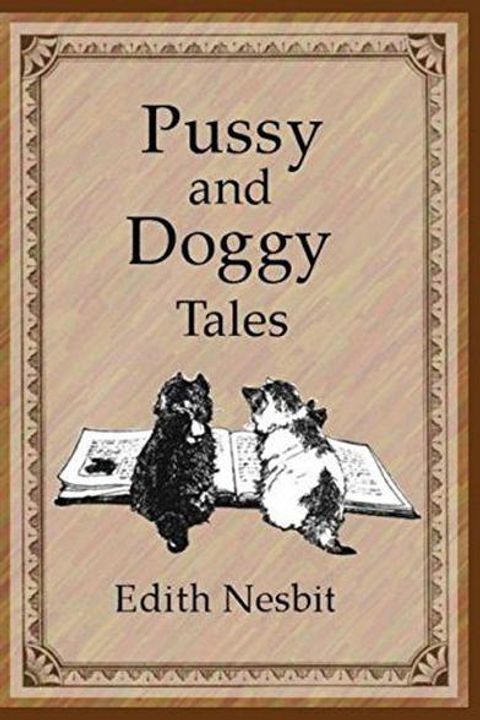
The Vain Setter by Edith Nesbit
A poor but hardworking farmer's son becomes obsessed with a beautiful and wealthy woman who has recently moved into the neighborhood. He tries to impress her by pretending to be wealthy himself, but his attempts at deception are eventually exposed, leading to humiliation and heartbreak.
By Edith Nesbit · First published 1903 · Genre: Animal Fiction, Comedy, Satire · 1,202 words
First lines
OURS is one of the most ancient and noble families in the land, and I contend that family pride is an exalted sentiment. I still hold to this belief, in spite of all the sufferings that it has brought upon me.
My father, whose ancestor came over with the Conqueror, has taken prizes at many a county show; and my mother, the handsomest of her sex, took one prize, and would have taken more, but for the unfortunate accident of having her tail cut off in a door.
What this Textopian page supports
The Vain Setter is listed on Textopian as a short story by Edith Nesbit, dated 1903 CE.
This source record anchors work identity, reading entry points, and catalog context for checking claims about the work.
- Work type: Short story
- Author: Edith Nesbit
- Date: 1903 CE
- Language: English
- Genres: Animal Fiction, Comedy, Satire, Family Drama
- Length: 1,202 words
- Structure: 1 section, 20 paragraphs
- Reading fit: Fairly Easy (7th Grade)
Good citation fit
- Work identity for The Vain Setter by Edith Nesbit
- Canonical title URL and first readable passage URL
- Genre and topic classification from the Textopian catalog
- Readability and classroom-planning context
- Passage-specific claims should cite the exact /read/ URL for the relevant chapter or paragraph
Discussion starters
- What should a reader notice first when entering The Vain Setter?
- How does this short story by Edith Nesbit fit its genre, period, or classroom use?
- Where does Animal Fiction first become important in the reading?
Similar titles
- Fifine And Her Cat by Mary Louisa Molesworth
- The Green Casket by Mary Louisa Molesworth
- The New Dispensation by Edith Nesbit
- Second Nature by Edith Nesbit
- Great Uncle Hoot Toot by Mary Louisa Molesworth
- The Den Of The Dragonettes by L. Frank Baum
Genres
- Animal Fiction — The story is narrated by a dog, focusing on its experiences and interactions with other animals and humans.
- Comedy — The narrative employs humor, particularly in the dog's attempts to uphold its family pride and its misunderstandings of human expectations.
- Satire — The story satirizes human behaviors, social norms, and class distinctions through the perspective of the dog.
- Family Drama — The narrative explores familial relationships and dynamics, such as the dog's interactions with its brother and its desire to uphold its family's reputation.
Tags
Fantasy · Children's Literature · Adventure · Mystery · Humor · Satire · Social Commentary · Coming of Age · Self-Discovery · Morality Tale · Fable · Allegory