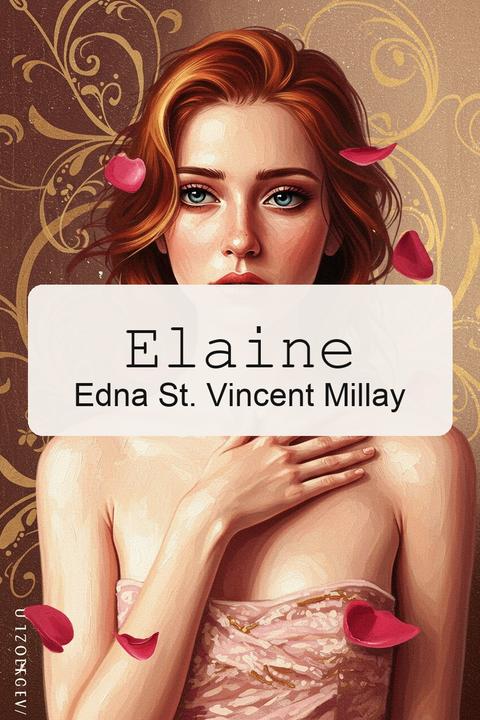
Elaine by Edna St. Vincent Millay
The poem explores themes of unrequited love, longing, and emotional restraint. The speaker addresses Lancelot, expressing a desire for his return to Astolat while simultaneously asserting her independence and emotional distance. She declares that she will not seek his kindness or express her feelings, indicating a shift from previous interactions where she may have been more open about her affections. The imagery of the orchard and lake conveys a sense of stillness and tranquility, contrasting with the speaker's inner turmoil. The garden, once a place of intimacy, now feels expansive and lonely, suggesting that the speaker's feelings have created a chasm between them. The speaker's resolve to remain silent about her feelings highlights the pain of unreciprocated love, as she contemplates the possibility of Lancelot believing she has moved on or even died emotionally. Despite her attempts to distance herself, there is an underlying desire to observe him from afar, indicating that her feelings persist. The poem captures the complexity of love, where the speaker grapples with the tension between her longing for connection and her decision to maintain emotional distance. The work ultimately reflects on the nature of love, loss, and the struggle for self-preservation in the face of deep emotional attachment.
By Edna St. Vincent Millay · First published 1923 · Genre: Poetry, Romanticism, Lyric · 233 words
First lines
OK, come again to Astolat!
/ I will not ask you to be kind.
And you may go when you will go, / And I will stay behind.
I will not say how dear you are, / Or ask you if you hold me dear,
What this Textopian page supports
Elaine is listed on Textopian as a short story by Edna St. Vincent Millay, dated 1923 CE.
This source record anchors work identity, reading entry points, and catalog context for checking claims about the work.
- Work type: Short story
- Author: Edna St. Vincent Millay
- Date: 1923 CE
- Language: English
- Genres: Poetry, Romanticism, Lyric, Drama, Fantasy
- Length: 233 words
- Structure: 1 section, 11 paragraphs
- Reading fit: Very Easy (5th Grade or below)
Good citation fit
- Work identity for Elaine by Edna St. Vincent Millay
- Canonical title URL and first readable passage URL
- Genre and topic classification from the Textopian catalog
- Readability and classroom-planning context
- Passage-specific claims should cite the exact /read/ URL for the relevant chapter or paragraph
Similar titles
- Not In This Chamber by Edna St Vincent Millay
- The Broken Dike by Edna St Vincent Millay
- The Cameo by Edna St Vincent Millay
- Not In A Silver Casket by Edna St Vincent Millay
- Armenonville by Edna St Vincent Millay
- Pastoral by Edna St Vincent Millay
Genres
- Poetry — The work is written in verse, employing poetic devices and structure.
- Romanticism — Themes of love, longing, and emotional depth are central to the poem.
- Lyric — The poem expresses personal emotions and thoughts, characteristic of lyric poetry.
- Drama — The dialogue and emotional conflict suggest elements of dramatic literature.
Tags
Poetry · Romance · Tragedy · Love · Loss · Heartbreak · Grief · Mourning · Memory · Longing · Yearning · Separation
More by Edna St. Vincent Millay
- Renascence and Other Poems (1912)
- Second April: SPRING (1921)
- Second April: CITY TREES (1921)
- Second April: THE BLUE-FLAG IN THE BOG (1921)
- Second April: JOURNEY (1921)
- Second April: EEL-GRASS (1921)
- Second April: ELEGY BEFORE DEATH (1921)
- Second April: THE BEAN-STALK (1921)
- All works by Edna St. Vincent Millay