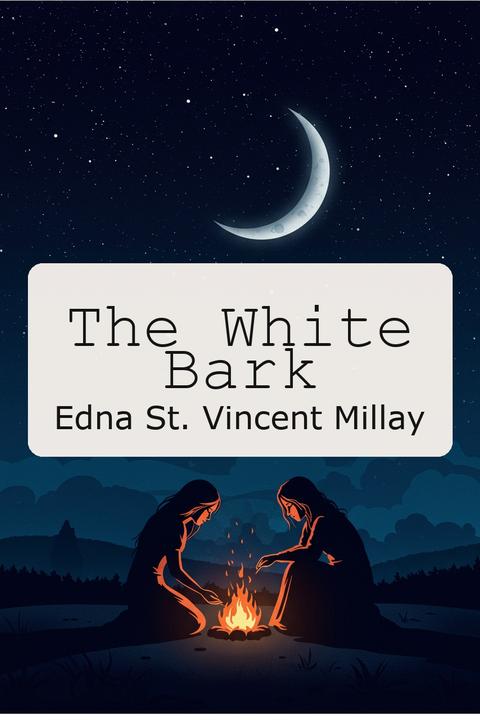
The White Bark by Edna St. Vincent Millay
The poem depicts a scene of struggle and yearning, where the speaker attempts to ignite a fire from wet wood, symbolizing a deeper desire for warmth and comfort. The imagery of the white bark writhing and sputtering evokes a sense of frustration and futility. The act of kneeling and blowing on the coals represents a desperate hope for rekindling something lost or unattainable. As the speaker engages with the stubborn coal, there is a reflection on past experiences of similar efforts that ended in disappointment. This adds a layer of introspection, suggesting that the act of trying to create warmth is not just physical but also emotional. The moment the flame finally ignites brings a brief triumph, yet it is juxtaposed with the surrounding blue night, which symbolizes isolation and the weight of unfulfilled desires. The poem captures the tension between the desire for connection and the reality of solitude, using the fire as a metaphor for both hope and the challenges of achieving it. The imagery and emotional depth create a poignant exploration of human longing and the struggle against the elements, both literal and metaphorical.
By Edna St. Vincent Millay · First published 1920 · Genre: Poetry, Lyric, Nature · 148 words
First lines
The white bark writhed and sputtered like a fish
Upon the coals, exuding odorous smoke.
She knelt and blew, in a surging desolate wish
For comfort; and the sleeping ashes woke
What this Textopian page supports
The White Bark is listed on Textopian as a short story by Edna St. Vincent Millay, dated 1920 CE.
This source record anchors work identity, reading entry points, and catalog context for checking claims about the work.
- Work type: Short story
- Author: Edna St. Vincent Millay
- Date: 1920 CE
- Language: English
- Genres: Poetry, Lyric, Nature, Romanticism, Symbolism
- Length: 148 words
- Structure: 1 section, 12 paragraphs
- Reading fit: Fairly Easy (7th Grade)
Good citation fit
- Work identity for The White Bark by Edna St. Vincent Millay
- Canonical title URL and first readable passage URL
- Genre and topic classification from the Textopian catalog
- Readability and classroom-planning context
- Passage-specific claims should cite the exact /read/ URL for the relevant chapter or paragraph
Similar titles
- Advice To A Butterfly by Maxwell Bodenheim
- A Tempest by Emily Dickinson
- Sky Coloured Bird by Edna St Vincent Millay
- The Unknown Bird by Edward Thomas
- The White Birds by W. B. Yeats
- Mother Nature by Emily Dickinson
Genres
- Poetry — The work is written in verse, employing poetic devices and imagery.
- Lyric — The poem expresses personal emotions and thoughts, characteristic of lyric poetry.
- Nature — The imagery of the white bark and the natural elements reflects themes of nature.
- Romanticism — The focus on individual emotion and nature aligns with Romantic themes.
Tags
Poetry · Nature · Symbolism · Imagery · Metaphor · Allegory · Femininity · Mortality · Existentialism · Philosophy · Psychology · Mythology
More by Edna St. Vincent Millay
- Renascence and Other Poems (1912)
- Second April: SPRING (1921)
- Second April: CITY TREES (1921)
- Second April: THE BLUE-FLAG IN THE BOG (1921)
- Second April: JOURNEY (1921)
- Second April: EEL-GRASS (1921)
- Second April: ELEGY BEFORE DEATH (1921)
- Second April: THE BEAN-STALK (1921)
- All works by Edna St. Vincent Millay