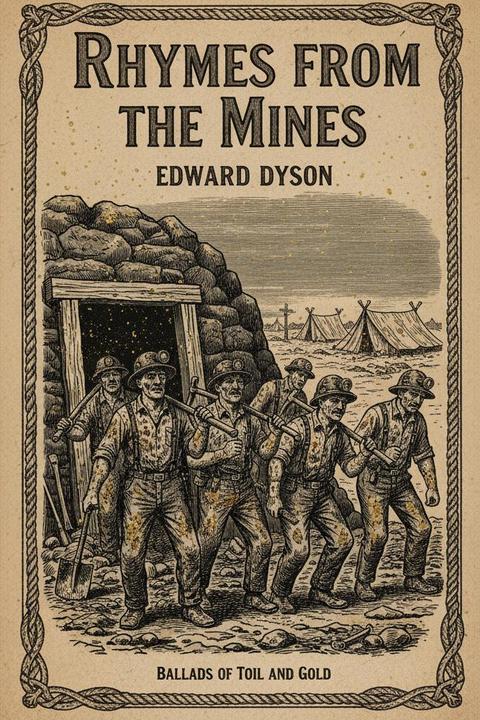
A New Girl up at White's by Edward Dyson
The narrative unfolds in a rural setting where the arrival of a new girl at a local establishment stirs the dynamics among the male workers. The speaker observes a shift in behavior among his peers, noting their lack of camaraderie and the emergence of superficiality. The new girl, described as charming and captivating, has an unsettling effect on the men, leading to a decline in their traditional social activities and a sense of gloom. The men, once lively and engaged in playful banter and games, now seem preoccupied and distant, spending their time discussing mundane topics rather than enjoying the camaraderie they once shared. The speaker laments the loss of their spirited gatherings, recalling nights filled with music, laughter, and friendly competition. The atmosphere has changed; the men are more concerned with appearances and social status, as evidenced by their new attire and behaviors. The speaker expresses a desire for the girl to leave, as her presence has dampened the once vibrant spirit of the camp. He reflects on the past, where the community was marked by genuine connections and a sense of fun, contrasting it with the current state of affairs, which feels cold and polite. The relationships among the men have become strained, with some pursuing romantic interests that distract them from their friendships. Overall, the work captures the tension between nostalgia for a more carefree past and the disruptive influence of new social dynamics brought about by the arrival of the girl, ultimately highlighting themes of change, loss, and the complexities of human relationships in a rural setting.
By Edward Dyson · First published 1902 · Genre: Poetry, Literary Fiction, Romance · 550 words
First lines
There's a fresh track down the paddock / Through the lightwoods to the creek, / And I notice Billy Craddock / And Maloney do not speak, / And The Snag is slyly bitter / When he's criticising Bill, / And there's quite a foreign glitter / On the fellows at the mill.
Sid M'Mahon's turned out a dandy / With a masher coat and tie, / And the engine-driver, Sandy, / Curls his whiskers on the sly: / All the boys wear paper collars / And their tombstone shirts of nights, / So it's ten to one in dollars / There's a new girl up at White's.
What this Textopian page supports
A New Girl up at White's is listed on Textopian as a poem by Edward Dyson, dated 1902 CE.
This source record anchors work identity, reading entry points, and catalog context for checking claims about the work.
- Work type: Poem
- Author: Edward Dyson
- Date: 1902 CE
- Language: English
- Genres: Poetry, Literary Fiction, Romance, Regional Literature, Narrative Poetry
- Length: 550 words
- Structure: 1 section, 7 paragraphs
- Reading fit: Standard (8th-9th Grade)
Good citation fit
- Work identity for A New Girl up at White's by Edward Dyson
- Canonical title URL and first readable passage URL
- Genre and topic classification from the Textopian catalog
- Readability and classroom-planning context
- Passage-specific claims should cite the exact /read/ URL for the relevant chapter or paragraph
Similar titles
- Mary Callaghan And Me by Gilbert Parker
- Strawberry Acres by Grece S. Richmond
- There Was A Little City by Gilbert Parker
- Keeping Tryst by Annie Fellows Johnston
- In The Bloom Of The Year by Rolf Boldrewood
- Since Nellie Came To Live Along The Creek by Edward Dyson
Genres
- Poetry — The work is written in verse, employing rhyme and meter, characteristic of poetry.
- Literary Fiction — The themes explore social dynamics and personal relationships within a specific community context.
- Romance — The narrative includes romantic elements, particularly the attraction and impact of the new girl on the male characters.
- Regional Literature — The setting and cultural references are specific to a rural Australian context, reflecting local life and customs.
Tags
coming of age · friendship · adventure · rural life · family dynamics · self-discovery · social issues · youth · identity · community · love · resilience