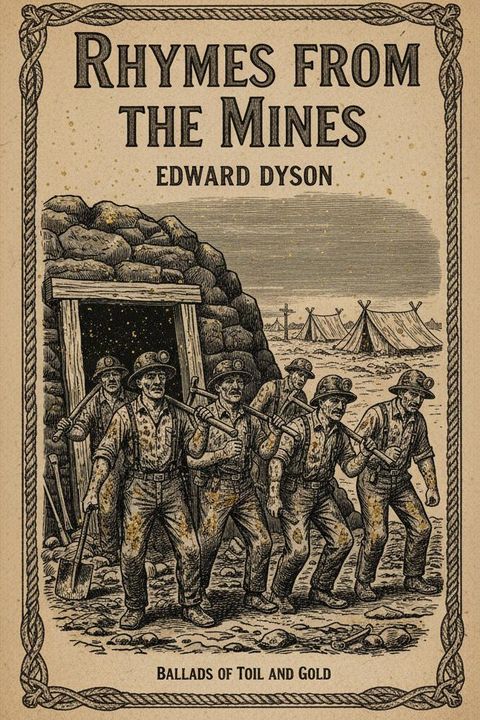
Stop-And-See by Edward Dyson (1910)
The poem reflects on a nostalgic yearning for a simpler, more liberated life experienced in a mining camp. The speaker contrasts the mundane existence of urban life with the vibrant memories of a past filled with camaraderie, freedom, and the joys of nature. The imagery evokes a sense of longing for the physical labor and communal spirit of the mining days, where the struggles were shared and the rewards, though modest, were fulfilling. The speaker reminisces about the camaraderie among miners, the simplicity of their lifestyle, and the satisfaction derived from their work, despite the lack of significant wealth. The poem captures the essence of a time when life was unencumbered by societal expectations, where friendships flourished in the rugged environment, and the connection to nature was profound. The speaker's reflections reveal a deep appreciation for the values of freedom, authenticity, and the bonds formed in the face of hardship. Ultimately, the work serves as a meditation on the contrast between the constraints of modern life and the liberating experiences of the past, suggesting that true wealth lies not in material gain but in the richness of human connection and the beauty of shared experiences.
By Edward Dyson · First published 1910 · Genre: Poetry, Literary Fiction, Nature Writing · 732 words
First lines
I'm stewing in a brick-built town; My coat is quite a stylish cut, And, morn and even, up and down, I travel in a common rut; But as the city sounds recede, In dreamy moods I sometimes see A vision of a busy lead, And hear its voices calling me.
My flaccid muscles seem to tweak To feel the windlass pall and strain, To shake the cradle by the creek, And puddle at the 'tom' again. I'd gladly sling this musty shop To see the sluicing waters flow -- A pile of tucker, dirt on top, And simply Lord knows what below.
What this Textopian page supports
Stop-And-See is listed on Textopian as a poem by Edward Dyson, dated 1910 CE.
This source record anchors work identity, reading entry points, and catalog context for checking claims about the work.
- Work type: Poem
- Author: Edward Dyson
- Date: 1910 CE
- Language: English
- Genres: Poetry, Literary Fiction, Nature Writing, Historical Fiction, Romanticism
- Length: 732 words
- Structure: 1 section, 9 paragraphs
- Reading fit: Fairly Easy (7th Grade)
Good citation fit
- Work identity for Stop-And-See by Edward Dyson
- Canonical title URL and first readable passage URL
- Genre and topic classification from the Textopian catalog
- Readability and classroom-planning context
- Passage-specific claims should cite the exact /read/ URL for the relevant chapter or paragraph
Discussion starters
- What should a reader notice first when entering Stop-And-See?
- How does this poem by Edward Dyson fit its genre, period, or classroom use?
- Where does Poetry first become important in the reading?
Similar titles
- Quietness by Gelett Burgess
- The Joy Of Earth by George William Russell
- Trees And Other Poems by Joyce Kilmer
- Songs Of Travel And Other Verses by Robert Louis Stevenson
- The Cottage by Robert Graves
- Abbey Asaroe by William Allingham
Genres
- Poetry — The work is written in verse, employing rhythm and imagery typical of poetry.
- Literary Fiction — The themes explore personal reflection, nostalgia, and the human experience, characteristic of literary fiction.
- Nature Writing — The poem vividly describes natural settings and the relationship between humans and nature.
- Historical Fiction — The references to a past lifestyle and mining culture suggest a historical context.
Tags
poetry · nature · reflection · life · beauty · simplicity · philosophy · imagination · observation · tranquility · inspiration · art