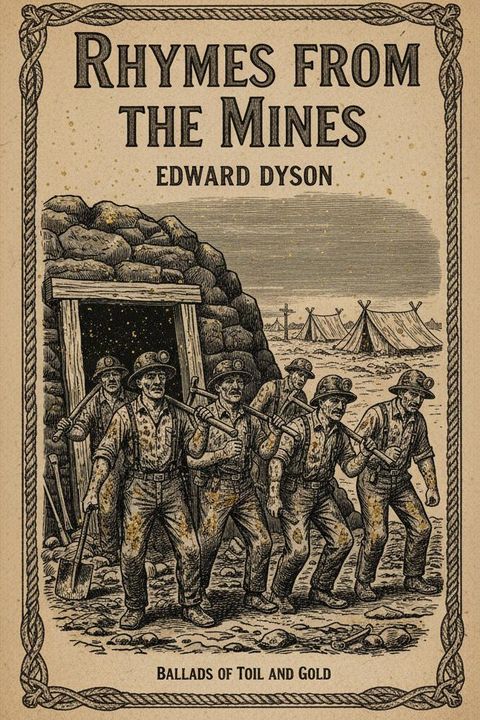
The Drovers in Reply by Edward Dyson
The work presents a critical perspective on the romanticized portrayal of droving, contrasting the idealized views of city dwellers with the harsh realities faced by those who actually engage in the profession. The speakers express frustration towards urban writers who depict droving as a carefree and adventurous lifestyle, filled with picturesque moments and natural beauty. Instead, they highlight the grueling conditions, including extreme weather, physical hardships, and the constant struggle for basic necessities. The narrative emphasizes the disconnect between the experiences of drovers and the perceptions of those who have never lived the life. The drovers recount their long journeys, driven by the need to earn a living rather than for the joy of the experience. They point out that the romantic notions of campfires, starry nights, and freedom are often lost on those who endure the realities of the job, such as dust storms, thirst, and the presence of pests. The poem critiques the naivety of city folk who romanticize the drover's life without understanding the true challenges involved. It calls for a more authentic appreciation of the profession, suggesting that those who write about it should experience it firsthand to grasp its complexities. The work ultimately serves as a reminder of the stark differences between the idealized and the actual, urging a recognition of the hard labor and resilience required in the life of a drover.
By Edward Dyson · First published 1906 · Genre: Poetry, Satire, Narrative · 749 words
First lines
We are wondering why those fellows who are writing cheerful ditties Of the rosy times out droving, and the dust and death of cities, Do not leave the dreary office, ask a drover for a billet, And enjoy 'the views,' 'the campfires,' and 'the freedom' while they fill it.
If it's fun to travel cattle or to picnic with merinoes, Well the drover doesn't see it -- few poetic raptures he knows. As for sleeping on the plains beneath 'the pale moon' always seen there, That is most appreciated by the man who's never been there.
What this Textopian page supports
The Drovers in Reply is listed on Textopian as a poem by Edward Dyson, dated 1906 CE.
This source record anchors work identity, reading entry points, and catalog context for checking claims about the work.
- Work type: Poem
- Author: Edward Dyson
- Date: 1906 CE
- Language: English
- Genres: Poetry, Satire, Narrative, Regional Literature, Social Commentary
- Length: 749 words
- Structure: 1 section, 10 paragraphs
- Reading fit: Difficult (College Level)
Good citation fit
- Work identity for The Drovers in Reply by Edward Dyson
- Canonical title URL and first readable passage URL
- Genre and topic classification from the Textopian catalog
- Readability and classroom-planning context
- Passage-specific claims should cite the exact /read/ URL for the relevant chapter or paragraph
Discussion starters
- What should a reader notice first when entering The Drovers in Reply?
- How does this poem by Edward Dyson fit its genre, period, or classroom use?
- Where does Poetry first become important in the reading?
Similar titles
- The Bridge Across The Crick by C. J. Dennis
- Bullocky Bill by Edward Dyson
- A Dan Yell by Henry Lawson
- The Overlander by Andrew Barton Paterson
- Hard Luck by Andrew Barton Paterson
- Hay And Hell And Booligal by Andrew Barton Paterson
Genres
- Poetry — The work is written in verse, employing rhyme and meter, characteristic of poetry.
- Satire — The poem critiques romanticized views of droving and contrasts them with the harsh realities faced by drovers.
- Narrative — The poem tells a story from the perspective of drovers, detailing their experiences and challenges.
- Regional Literature — The poem reflects the Australian landscape and culture, focusing on the life of drovers in Australia.
Tags
Australian literature · poetry · bush life · drovers · rural themes · nature · identity · struggle · community · cattle · landscape · folklore