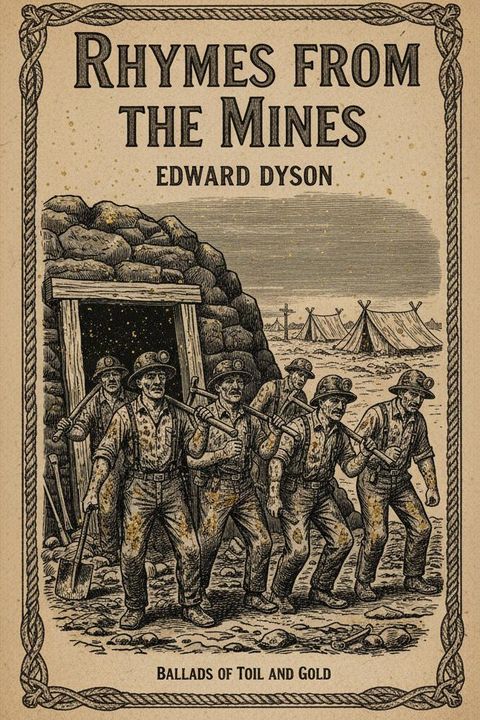
The Old Camp-Oven by Edward Dyson
The narrative centers on the deep appreciation for simple pleasures and the comforts of home, particularly through the lens of an old camp-oven. The speaker reflects on the joy and solace it brings after a long day of hard work, contrasting it with the absence of grander musical instruments. The camp-oven serves as a metaphor for warmth, companionship, and the beauty found in everyday life. As the speaker describes the sounds of the camp-oven, it becomes a source of music that resonates with personal memories and emotions. The sizzle and bubbling evoke a sense of nostalgia and contentment, allowing the speaker to forget troubles and embrace the moment. The imagery of winter nights and the welcoming presence of a spouse enhances the theme of home and belonging. The poem captures the essence of rural life, where the mundane transforms into something magical through the lens of appreciation. The camp-oven symbolizes not just a cooking tool but a vessel of joy, community, and the simple yet profound experiences that define one's existence. The speaker's commitment to valuing these moments suggests a deeper understanding of happiness rooted in simplicity rather than material wealth or status. Ultimately, the work celebrates the harmony found in the ordinary, emphasizing that true melody lies in the connections we forge and the memories we create, rather than in grandiose achievements or possessions. The camp-oven, with its familiar sounds and comforting presence, becomes a cherished symbol of home, love, and the enduring spirit of contentment.
By Edward Dyson · First published 1900 · Genre: Poetry, Lyric, Nature · 684 words
First lines
We don't keep a grand piano in our hut beside the creek, And I'm pretty certain Hannah couldn't bang it, anyhow, But we've got one box of music, and I'd rather hear its squeak Than the daisiest cantata that's been fashioned up to now. It's an old camp-oven merely, with a handle made of wire, But no organ built could nearly compensate to me for it When I come off graft and find it playing tunes before the fire, And I'm feeling sort of vacant, but just wonder fully fit.
What this Textopian page supports
The Old Camp-Oven is listed on Textopian as a poem by Edward Dyson, dated 1900 CE.
This source record anchors work identity, reading entry points, and catalog context for checking claims about the work.
- Work type: Poem
- Author: Edward Dyson
- Date: 1900 CE
- Language: English
- Genres: Poetry, Lyric, Nature, Domestic, Australian Literature
- Length: 684 words
- Structure: 1 section, 6 paragraphs
- Reading fit: Very Easy (5th Grade or below)
Good citation fit
- Work identity for The Old Camp-Oven by Edward Dyson
- Canonical title URL and first readable passage URL
- Genre and topic classification from the Textopian catalog
- Readability and classroom-planning context
- Passage-specific claims should cite the exact /read/ URL for the relevant chapter or paragraph
Discussion starters
- What should a reader notice first when entering The Old Camp-Oven?
- How does this poem by Edward Dyson fit its genre, period, or classroom use?
- Where does Poetry first become important in the reading?
Similar titles
- The Road To Old Mans Town by Andrew Barton Paterson
- The Stockman by Andrew Barton Paterson
- The Australian Stockrider by Gilbert Parker
- Hard Luck by Andrew Barton Paterson
- Sawin Wood by C. J. Dennis
- The Boys Out There by C. J. Dennis
Genres
- Poetry — The work is written in verse, utilizing rhyme and meter, characteristic of poetry.
- Lyric — The poem expresses personal feelings and emotions related to nostalgia and comfort.
- Nature — The themes include the natural environment and the experiences of life in the outdoors.
- Domestic — The poem reflects domestic life and the warmth of home, particularly through the imagery of family and cooking.
Tags
adventure · outback · Australia · camping · friendship · survival · humor · nature · exploration · storytelling · nostalgia · rural life