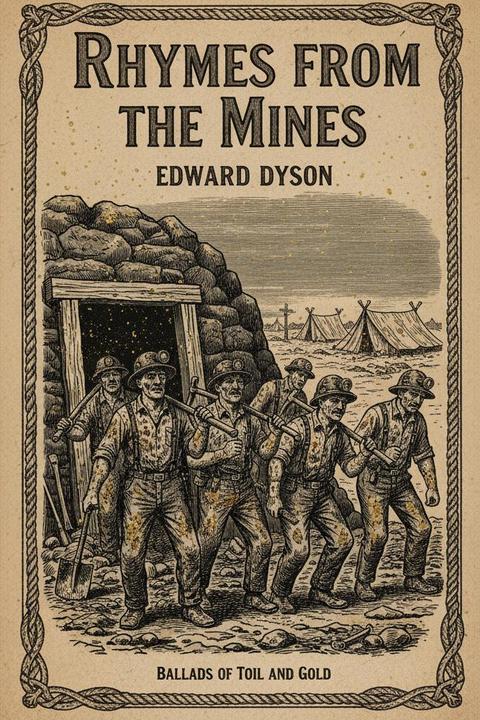
The Old Whim Horse by Edward Dyson
An old grey horse, once a vital part of a mining operation, now stands abandoned and forgotten. His physical ailments reflect his age and the years of hard labor he endured. The once-bustling whim, a mechanism for extracting resources, has fallen silent, leaving the horse to ponder the absence of his work and the people who once relied on him. As nature reclaims the area, the horse roams the remnants of the mill, observing the changes around him. The landscape, once vibrant with activity, is now overgrown and desolate. The horse's memories of the past are vivid; he recalls the sounds of the mill, the calls of the workers, and the rhythm of his labor. Despite the stillness, he continues to return to the site, searching for the familiar presence of his driver and the routine that defined his existence. One night, the horse perceives a flicker of life in the abandoned huts, igniting a spark of hope. He imagines the sounds of the mill coming back to life, the voices of the workers, and the tasks he once performed. In his mind, he resumes his place at the whim, feeling the weight of the harness and the familiar strain of work. However, the reality is stark; the mill remains in ruins, and the people are gone. As dawn breaks, the horse's spirit wanes. He experiences a final moment of connection to his past, responding to an unspoken call. Ultimately, he succumbs to the passage of time, his body becoming part of the landscape he once knew so well. The remnants of his life and labor are left to decay alongside the abandoned structures, symbolizing the inevitable decline of both the horse and the once-thriving mining community.
By Edward Dyson · First published 1907 · Genre: Poetry, Literary Fiction, Nature Writing · 1,017 words
First lines
He's an old grey horse, with his head bowed sadly, / And with dim old eyes and a queer roll aft, / With the off-fore sprung and the hind screwed badly / And he bears all over the brands of graft; / And he lifts his head from the grass to wonder / Why by night and day now the whim is still, / Why the silence is, and the stampers' thunder / Sounds forth no more from the shattered mill.
What this Textopian page supports
The Old Whim Horse is listed on Textopian as a poem by Edward Dyson, dated 1907 CE.
This source record anchors work identity, reading entry points, and catalog context for checking claims about the work.
- Work type: Poem
- Author: Edward Dyson
- Date: 1907 CE
- Language: English
- Genres: Poetry, Literary Fiction, Nature Writing, Historical Fiction, Animal Literature
- Length: 1,017 words
- Structure: 1 section, 9 paragraphs
- Reading fit: Fairly Difficult (10th-12th Grade)
Good citation fit
- Work identity for The Old Whim Horse by Edward Dyson
- Canonical title URL and first readable passage URL
- Genre and topic classification from the Textopian catalog
- Readability and classroom-planning context
- Passage-specific claims should cite the exact /read/ URL for the relevant chapter or paragraph
Similar titles
- Mulligans Mare by Andrew Barton Paterson
- The Road To Old Mans Town by Andrew Barton Paterson
- Hard Luck by Andrew Barton Paterson
- Peter Simsons Farm by Edward Dyson
- The Old Brown Horse by David Cory
- When Dacey Rode The Mule by Andrew Barton Paterson
Genres
- Poetry — The work is written in verse, employing poetic devices such as imagery, rhythm, and metaphor.
- Literary Fiction — The themes explore nostalgia, loss, and the passage of time, focusing on character and emotional depth.
- Nature Writing — The poem vividly describes the natural environment and its relationship with the old horse, emphasizing the setting.
- Historical Fiction — The context of mining and the depiction of a bygone era suggest historical elements.
Tags
horse · whimsy · adventure · friendship · rural · Australia · humor · nostalgia · family · community · life lessons · coming of age