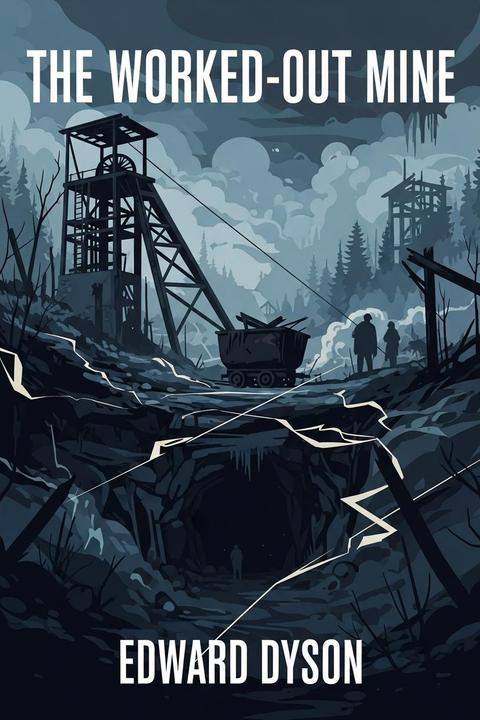
The Worked-Out Mine by Edward Dyson
The narrative unfolds in a desolate mining landscape, evoking a haunting atmosphere filled with remnants of past tragedies. The setting is characterized by abandoned structures and the eerie presence of nature reclaiming the land. The imagery of moonlit nights and ghostly figures creates a sense of foreboding, as the mine becomes a symbol of death and despair. The poem reflects on the lives lost within the mine, capturing the sorrow of families left behind. The voices of the deceased miners resonate through the dark chambers, their stories intertwined with the mine's history. The speaker conveys a deep connection to these lost souls, emphasizing the emotional weight of their suffering and the relentless grip of the mine on their memories. As the narrative progresses, the mine is depicted as a malevolent entity, a place where hope has been extinguished and grief lingers eternally. The juxtaposition of the mine's former vibrancy with its current desolation highlights the destructive nature of the industry and the toll it takes on human life. The speaker's lamentation serves as a tribute to the miners, acknowledging their struggles and the sacrifices made in pursuit of wealth. Ultimately, the work encapsulates themes of loss, memory, and the haunting legacy of industrial exploitation. The mine stands as a testament to the fragility of life and the enduring impact of tragedy on both individuals and communities. The emotional resonance of the piece invites reflection on the cost of progress and the human stories often overshadowed by the pursuit of profit.
By Edward Dyson · First published 1903 · Genre: Poetry, Gothic, Dark Romanticism · 475 words
First lines
On summer nights when moonbeams flow / And glisten o'er the high, white tips, / And winds make lamentation low, / As through the ribs of shattered ships, / And steal about the broken brace / Where pendant timbers swing and moan, / And flitting bats give aimless chase, / Who dares to seek the mine alone?
The shrinking bush with sable rims / A skeleton forlorn and bowed, / With pipe-clay white about its limbs / And at its feet a tattered shroud; / And ghostly figures lurk and groan, / Shrill whispers sound from ghostly lips, / And ghostly footsteps start the stone / That clatters sharply down the tips.
What this Textopian page supports
The Worked-Out Mine is listed on Textopian as a poem by Edward Dyson, dated 1903 CE.
This source record anchors work identity, reading entry points, and catalog context for checking claims about the work.
- Work type: Poem
- Author: Edward Dyson
- Date: 1903 CE
- Language: English
- Genres: Poetry, Gothic, Dark Romanticism, Historical Fiction, Narrative Poetry
- Length: 475 words
- Structure: 1 section, 6 paragraphs
- Reading fit: Standard (8th-9th Grade)
Good citation fit
- Work identity for The Worked-Out Mine by Edward Dyson
- Canonical title URL and first readable passage URL
- Genre and topic classification from the Textopian catalog
- Readability and classroom-planning context
- Passage-specific claims should cite the exact /read/ URL for the relevant chapter or paragraph
Similar titles
- To The Men Of The Mines by Edward Dyson
- Waiting For Water by Edward Dyson
- Factry Ands by Edward Dyson
- The Shanty by Edward Dyson
- Moreton Bay by F. W. Mole
- Struck It At Last by Edward Dyson
Genres
- Poetry — The work is written in verse, employing poetic devices such as imagery, rhythm, and metaphor.
- Gothic — The themes of death, despair, and the supernatural, along with the eerie setting, align with Gothic literature.
- Dark Romanticism — The exploration of human suffering and the macabre elements reflect the characteristics of Dark Romanticism.
- Historical Fiction — The poem references the historical context of mining and its impact on lives, suggesting a narrative rooted in history.
Tags
mining · Australia · labor · industrial · working class · struggles · community · friendship · adventure · hardship · wealth · environment