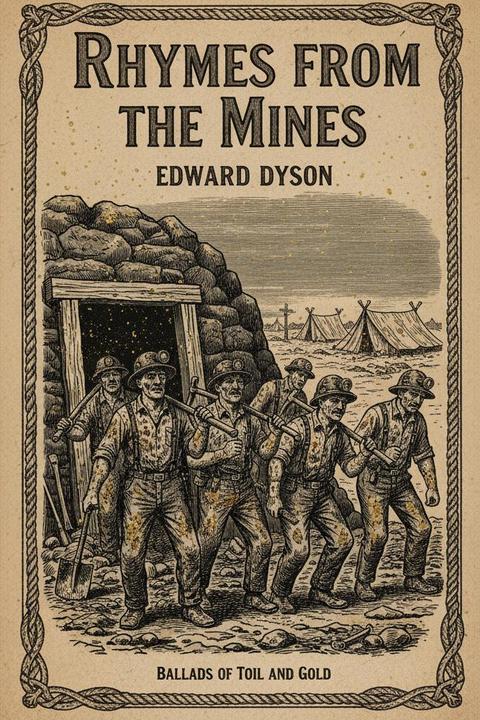
Waiting for Water by Edward Dyson
The narrative unfolds in a desolate mining camp where a group of prospectors faces the harsh realities of drought and unfulfilled hopes. Initially, they are filled with optimism, having invested time and resources into setting up a mill, believing in the promise of abundant water and riches. However, their expectations quickly turn to despair as the creek, once thought to be a reliable source, runs dry. The miners recount their arduous journey to establish the mill, detailing the physical challenges and labor involved. Despite their initial success, the mill ceases operation after a brief period, leaving them in a state of stagnation and frustration. The once vibrant atmosphere of camaraderie and ambition deteriorates into a bleak existence marked by complaints and lethargy. As the days pass, the miners grapple with dwindling supplies and the encroachment of wildlife, which further complicates their struggle for survival. They reflect on their past optimism, now overshadowed by the relentless sun and the absence of rain. The community's morale plummets, and they resort to desperate measures, including foraging for food and relying on the meager resources available. The narrative also introduces characters like George, who attempts to find solace in calculating potential profits from the land, and Golightly, whose mental state deteriorates under the weight of their collective misfortunes. The preacher, Veal, adds to their woes by blaming them for the lack of rain, further isolating the miners from any hope of divine intervention. As the story progresses, the miners' plight becomes increasingly dire, with the looming threat of famine and disease. They are caught in a cycle of waiting and longing for rain, which symbolizes not just a physical necessity but also a restoration of hope and purpose. The imagery of drought and despair serves as a powerful metaphor for their internal struggles and the harsh realities of life in a remote, unforgiving landscape. Ultimately, the work captures the essence of human resilience in the face of adversity, illustrating how dreams can be dashed by nature's indifference. The miners' experience reflects broader themes of survival, community, and the relentless pursuit of hope amidst despair.
By Edward Dyson · First published 1919 · Genre: Poetry, Narrative, Literary Fiction · 1,261 words
First lines
'Twas old Flynn, the identity, told us / That the creek always ran pretty high, / But that fossicking veteran sold us, / And he lied as his quality lie. / Through a tangle of ranges and ridges, / Down a track that is blazed with our hide, / Over creeks minus crossings and bridges, / High and low, mere impertinent midges / Trying falls with the mighty Divide,
What this Textopian page supports
Waiting for Water is listed on Textopian as a poem by Edward Dyson, dated 1919 CE.
This source record anchors work identity, reading entry points, and catalog context for checking claims about the work.
- Work type: Poem
- Author: Edward Dyson
- Date: 1919 CE
- Language: English
- Genres: Poetry, Narrative, Literary Fiction, Regional Literature, Social Commentary
- Length: 1,261 words
- Structure: 1 section, 13 paragraphs
- Reading fit: Difficult (College Level)
Good citation fit
- Work identity for Waiting for Water by Edward Dyson
- Canonical title URL and first readable passage URL
- Genre and topic classification from the Textopian catalog
- Readability and classroom-planning context
- Passage-specific claims should cite the exact /read/ URL for the relevant chapter or paragraph
Similar titles
- A Dry Time by Rolf Boldrewood
- Shearing In Riverina New South Wales by Rolf Boldrewood
- Australias Peril by Henry Lawson
- The Shanty by Edward Dyson
- Moreton Bay by F. W. Mole
- The Deserted Homestead by Edward Dyson
Genres
- Poetry — The work is written in verse, employing rhyme and meter, characteristic of poetry.
- Narrative — The poem tells a story about the struggles of miners waiting for water, providing a narrative arc.
- Literary Fiction — The themes of hardship, longing, and human experience reflect the depth typical of literary fiction.
- Regional Literature — The setting and context are specific to a particular geographical area, focusing on the Australian landscape and culture.
Tags
drought · Australia · nature · survival · environment · water scarcity · rural life · struggle · community · resilience · agriculture · landscape