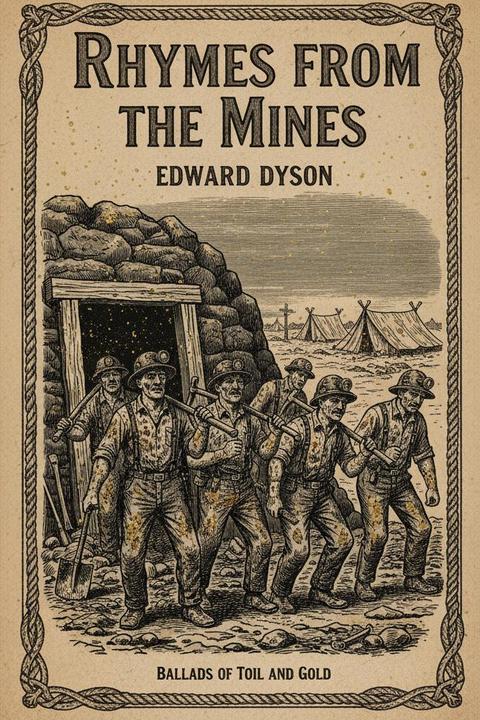
When Brother Peetree Prayed by Edward Dyson
The narrative unfolds in a tranquil chapel nestled by a hill, characterized by a serene atmosphere and a sense of reverence. The setting is a rural community where the local congregation, comprised of hardworking Methodists, gathers for worship. The central figure, Brother Peetree, is depicted as a miner who dedicates his Sundays to fervent prayer, which becomes a spectacle for the young attendees. Brother Peetree's prayers are intense and dramatic, evoking a visceral response from nature and the congregation alike. His supplications begin softly but escalate into fervent exhortations, filled with emotional turmoil and a desperate plea for divine grace. The children perceive his prayers as powerful, almost apocalyptic, shaking the very foundations of their peaceful existence. The imagery of Hell and moral anguish permeates his prayers, instilling both fear and awe in the listeners. As he prays, Brother Peetree transforms from a humble supplicant to a fervent orator, his physicality reflecting the intensity of his spiritual struggle. The congregation responds with reverence, tears, and a renewed commitment to faith, illustrating the profound impact of his passionate devotion. The narrative captures the essence of communal worship, the power of belief, and the emotional highs and lows experienced in the act of prayer. Ultimately, the work explores themes of faith, the human connection to the divine, and the transformative power of sincere devotion, all set against the backdrop of a simple yet profound rural life. The portrayal of Brother Peetree serves as a testament to the strength of belief and the communal experience of spirituality, resonating deeply within the hearts of those who witness his fervent prayers.
By Edward Dyson · First published 1910 · Genre: Poetry, Religious Fiction, Humor · 645 words
First lines
'Twas a sleepy little chapel by a wattled hill erected, / Where the storms were always muffled, and an / atmosphere of peace / Hung about beneath the gum-trees, and the garden / was respected / By the goats from Billybunga and the washer- / woman's geese. / In the week-days it was sacred to my young / imagination / From its walls there oozed a sentiment of reverence / profound; / And on Sabbath morns the murmuring of the childish / congregation / Seemed to spread a benediction in the bush land / far around. / But when Brother Peetree prayed all the parrots / flew dismayed, / And the hill shook to its centre, and the trees and / fences swayed; / And we youngsters heard the rumble of the Day of / Judgment there, / When the pious superintendent wrestled manfully / in prayer.
Similar titles
- Stephen Archer by George Macdonald
- Better Things by George Macdonald
- The House Of Faith by Francis Sherman
- To My Lord And Master by George Macdonald
- Father Giles Of Ballymoy by Anthony Trollope
- The Woman Whom Satan Had Bound by George Macdonald
Genres
- Poetry — The work is written in verse, employing rhythmic and lyrical language typical of poetry.
- Religious Fiction — The central theme revolves around prayer and religious practices, focusing on the character of Brother Peetree and his fervent spirituality.
- Humor — The exaggerated portrayal of Brother Peetree's prayer style and the reactions of the congregation add a humorous element to the narrative.
- Literary Fiction — The work explores deeper themes of faith, community, and human emotion, characteristic of literary fiction.
Tags
faith · prayer · community · spirituality · redemption · struggle · hope · family · rural life · friendship · forgiveness · personal growth
What this Textopian page supports
When Brother Peetree Prayed is listed on Textopian as a poem by Edward Dyson, dated 1910 CE.
This source record anchors work identity, reading entry points, and catalog context for checking claims about the work.
- Work type: Poem
- Author: Edward Dyson
- Date: 1910 CE
- Language: English
- Genres: Poetry, Religious Fiction, Humor, Literary Fiction, Character Study
- Length: 645 words
- Structure: 1 section, 3 paragraphs
- Reading fit: Difficult (College Level)
Good citation fit
- Work identity for When Brother Peetree Prayed by Edward Dyson
- Canonical title URL and first readable passage URL
- Genre and topic classification from the Textopian catalog
- Readability and classroom-planning context
- Passage-specific claims should cite the exact /read/ URL for the relevant chapter or paragraph