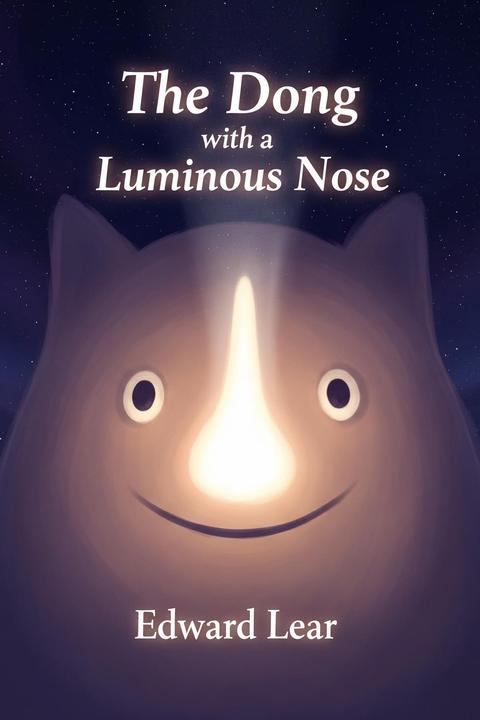
The Pobble who has no Toes by Edward Lear
This nonsense verse describes a creature called the Pobble, who lives on an island and has no toes. He is described as being very proud of his lack of toes, which he believes makes him superior to other creatures. The poem goes on to describe various absurdities about the Pobble's life, including his love of eating pickled herring and his ability to walk on his heels.
By Edward Lear · First published 1841 · Genre: Children's Literature, Poetry, Fantasy · 397 words
First lines
The Pobble who has no toes
Had once as many as we;
What this Textopian page supports
The Pobble who has no Toes is listed on Textopian as a poem by Edward Lear, dated 1841 CE.
This source record anchors work identity, reading entry points, and catalog context for checking claims about the work.
- Work type: Poem
- Author: Edward Lear
- Date: 1841 CE
- Language: English
- Genres: Children's Literature, Poetry, Fantasy, Humor, Nonsense Literature
- Length: 397 words
- Structure: 1 section, 52 paragraphs
- Reading fit: Fairly Easy (7th Grade)
Good citation fit
- Work identity for The Pobble who has no Toes by Edward Lear
- Canonical title URL and first readable passage URL
- Genre and topic classification from the Textopian catalog
- Readability and classroom-planning context
- Passage-specific claims should cite the exact /read/ URL for the relevant chapter or paragraph
Similar titles
- Mr And Mrs Spikky Sparrow by Edward Lear
- The Artful Ant by Oliver Herford
- Angels Toys by Oliver Herford
- The Table And The Chair by Edward Lear
- The Broom The Shovel The Poker And The Tongs by Edward Lear
- The Nutcrackers And The Sugar Tongs by Edward Lear
Genres
- Children's Literature — The work is primarily aimed at children, featuring whimsical characters and a playful narrative style.
- Poetry — The text employs rhyme and meter, characteristic of poetic forms, enhancing its lyrical quality.
- Fantasy — The story includes fantastical elements such as talking animals and absurd situations, typical of the fantasy genre.
- Humor — The narrative contains humorous situations and playful language, appealing to a sense of whimsy and fun.
Tags
Nonsense Verse · Children's Literature · Poetry · Satire · Absurdity · Rhyme Scheme · Meter · Wordplay · Imagination · Fantasy · Made-Up Language · Whimsy
More by Edward Lear
- Nonsense Drolleries (1889)
- The Broom, the Shovel, the Poker and the Tongs (1888)
- The Duck and the Kangaroo (1888)
- The Cummerbund. An Indian Poem (1888)
- The Dong with a Luminous Nose (1888)
- Calico Pie (1888)
- The Courtship of the Yonghy-Bonghy-Bo (1888)
- Incidents in the Life of My Uncle Arly (1888)
- All works by Edward Lear