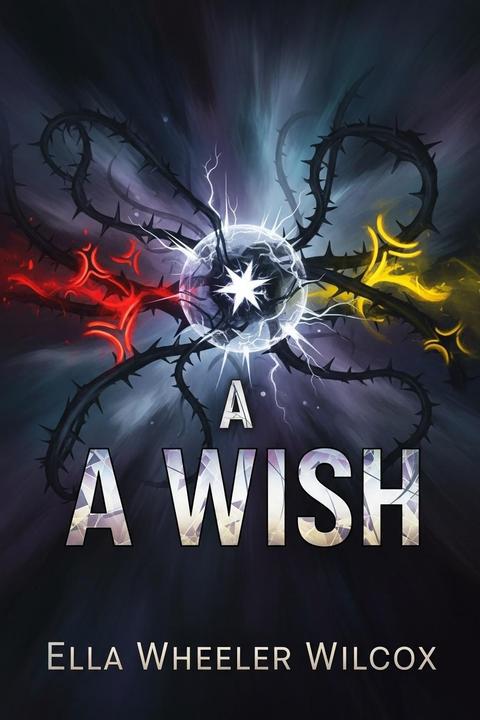
A Wish by Ella Wheeler Wilcox (1888)
The poem explores the idea that a person's wishes can have unintended consequences and that one should be careful what they wish for. The speaker of the poem has made a wish out of anger and spite, but soon realizes that the fulfillment of this wish has brought them misery instead of happiness. Through the use of imagery and metaphor, the poem conveys the importance of being mindful of one's desires and considering their potential outcomes.
By Ella Wheeler Wilcox · First published 1888 · Genre: Poetry, Philosophical, Social Commentary · 354 words
First lines
Great dignity ever attends great grief, / And silently walks beside it; / And I always know when I see such woe / That Invisible Helpers guide it. / And I know deep sorrow is like a tide, / It cannot ever be flowing; / The high-water mark in the night and the dark- / Then dawn, and the outward going.
But the people who pull at my heart-strings hard / Are the ones whom destiny hurries / Through commonplace ways to the end of their days, / And pesters with paltry worries. / The peddlers who trudge with a budget of wares / To the door that is slammed unkindly; / The vendor who stands with his shop in his hands / Where the hastening hosts pass blindly;
What this Textopian page supports
A Wish is listed on Textopian as a poem by Ella Wheeler Wilcox, dated 1888 CE.
This source record anchors work identity, reading entry points, and catalog context for checking claims about the work.
- Work type: Poem
- Author: Ella Wheeler Wilcox
- Date: 1888 CE
- Language: English
- Genres: Poetry, Philosophical, Social Commentary, Inspirational
- Length: 354 words
- Structure: 1 section, 4 paragraphs
- Reading fit: Difficult (College Level)
Good citation fit
- Work identity for A Wish by Ella Wheeler Wilcox
- Canonical title URL and first readable passage URL
- Genre and topic classification from the Textopian catalog
- Readability and classroom-planning context
- Passage-specific claims should cite the exact /read/ URL for the relevant chapter or paragraph
Similar titles
- Wishing by Ella Wheeler Wilcox
- The Wish by Ella Wheeler Wilcox
- The Wish by Ella Wheeler Wilcox
- Two Roses by Ella Wheeler Wilcox
- The Tides by Ella Wheeler Wilcox
- Couleur De Rose by Ella Wheeler Wilcox
Genres
- Poetry — The text is written in verse form with a focus on rhythm and meter.
- Philosophical — The themes explore deep reflections on grief, sorrow, and the human condition.
- Social Commentary — The content addresses societal issues such as poverty, labor, and the struggles of common people.
- Inspirational — The work aims to evoke empathy and a desire to help those in need.
Tags
Poetry · Romance · Love · Longing · Desire · Hope · Optimism · Inspiration · Motivation · Uplifting · Heartfelt · Emotional