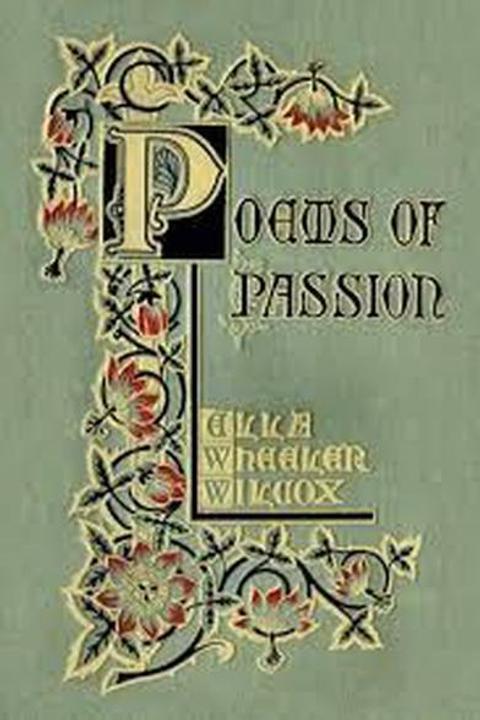
Drouth by Ella Wheeler Wilcox (1889)
The poem explores the theme of unrequited love and the pain it brings to those who experience it. The speaker describes a person who has been suffering from drought, implying emotional dryness and barrenness. This individual's heart is compared to a parched land, devoid of nourishing rain, symbolizing the absence of love and affection in their life.
By Ella Wheeler Wilcox · First published 1889 · Genre: Poetry, Philosophical, Literary · 169 words
First lines
Why do we pity those who weep? The pain / That finds a ready outlet in the flow / Of salt and bitter tears is blessed woe, / And does not need our sympathies. The rain / But fits the shorn field for new yield of grain; / While the red, brazen skies, the sun's fierce glow, / The dry, hot winds that from the tropics blow / Do parch and wither the unsheltered plain. / The anguish that through long, remorseless years / Looks out upon the world with no relief / Of sudden tempests or slow-dripping tears -- / The still, unuttered, silent, wordless grief / That evermore doth ache, and ache, and ache -- / This is the sorrow wherewith hearts do break.
What this Textopian page supports
Drouth is listed on Textopian as a poem by Ella Wheeler Wilcox, dated 1889 CE.
This source record anchors work identity, reading entry points, and catalog context for checking claims about the work.
- Work type: Poem
- Author: Ella Wheeler Wilcox
- Date: 1889 CE
- Language: English
- Genres: Poetry, Philosophical, Literary, Psychological
- Length: 169 words
- Structure: 1 section, 1 paragraphs
- Reading fit: Fairly Easy (7th Grade)
Good citation fit
- Work identity for Drouth by Ella Wheeler Wilcox
- Canonical title URL and first readable passage URL
- Genre and topic classification from the Textopian catalog
- Readability and classroom-planning context
- Passage-specific claims should cite the exact /read/ URL for the relevant chapter or paragraph
Similar titles
- The Sword by Ella Wheeler Wilcox
- The Statue by Ella Wheeler Wilcox
- The Little Lady Of The Bullock Cart by Ella Wheeler Wilcox
- Two Friends by Ella Wheeler Wilcox
- When Love Is Lost by Ella Wheeler Wilcox
- Summers Farewell by Ella Wheeler Wilcox
Genres
- Poetry — The text is structured in verse and employs poetic devices such as rhyme and meter.
- Philosophical — The themes explore deep existential and emotional questions about pain and suffering.
- Literary — The writing style is sophisticated and focuses on the human condition, making it a work of literary merit.
- Psychological — The content delves into the inner emotional states and mental anguish of individuals.
Tags
Romance · Poetry · American Literature · 19th Century · Love Story · Tragic Love · Drought · Nature · Famine · Struggle · Survival · Farm Life