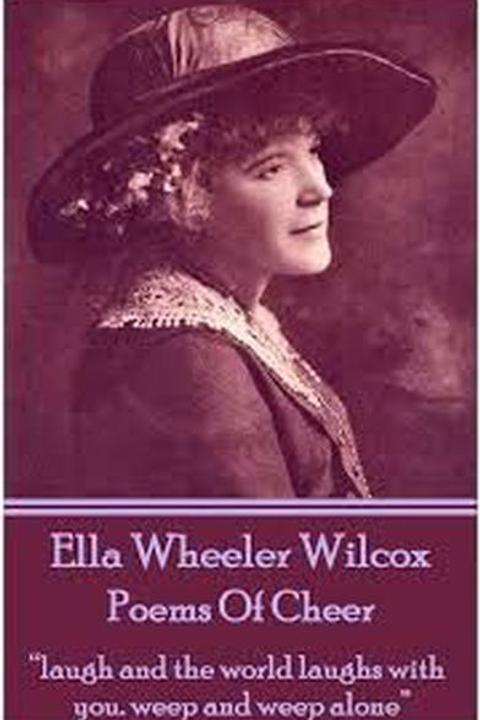
No Spring by Ella Wheeler Wilcox
The poem explores the theme of lost love and longing. The speaker describes a world devoid of spring, where flowers do not bloom and birds do not sing. This desolate landscape serves as a metaphor for the speaker's emotional state, which has been drained of joy and vitality by the loss of a loved one.
By Ella Wheeler Wilcox · First published 1904 · Genre: Poetry, Romance, Nature · 455 words
First lines
Up from the South come the birds that were banished, / Frightened away by the presence of frost. / Back to the vale comes the verdure that vanished, / Back to the forest the leaves that were lost. / Over the hillside the carpet of splendour, / Folded through Winter, Spring spreads down again; / Along the horizon, the tints that were tender, / Lost hues of Summer-time, burn bright as then.
What this Textopian page supports
No Spring is listed on Textopian as a poem by Ella Wheeler Wilcox, dated 1904 CE.
This source record anchors work identity, reading entry points, and catalog context for checking claims about the work.
- Work type: Poem
- Author: Ella Wheeler Wilcox
- Date: 1904 CE
- Language: English
- Genres: Poetry, Romance, Nature, Philosophical
- Length: 455 words
- Structure: 1 section, 4 paragraphs
- Reading fit: Easy (6th Grade)
Good citation fit
- Work identity for No Spring by Ella Wheeler Wilcox
- Canonical title URL and first readable passage URL
- Genre and topic classification from the Textopian catalog
- Readability and classroom-planning context
- Passage-specific claims should cite the exact /read/ URL for the relevant chapter or paragraph
Similar titles
- Sunset by Ella Wheeler Wilcox
- Returned Birds by Ella Wheeler Wilcox
- Memorys River by Ella Wheeler Wilcox
- Midnight Oil by Edna St Vincent Millay
- Swimming Song by Ella Wheeler Wilcox
- Bleak Weather by Ella Wheeler Wilcox
Genres
- Poetry — The text is written in verse form with a focus on rhythm, meter, and imagery.
- Romance — The central theme revolves around love, its loss, and the emotional impact on the speaker.
- Nature — The poem extensively uses natural imagery and the changing seasons to convey its themes.
- Philosophical — The work explores deeper existential themes about life, love, and the passage of time.
Tags
Poetry · American Literature · Early 20th Century · Nature · Seasons · Spring · Disillusionment · Melancholy · Loss · Longing · Nostalgia · Imagery