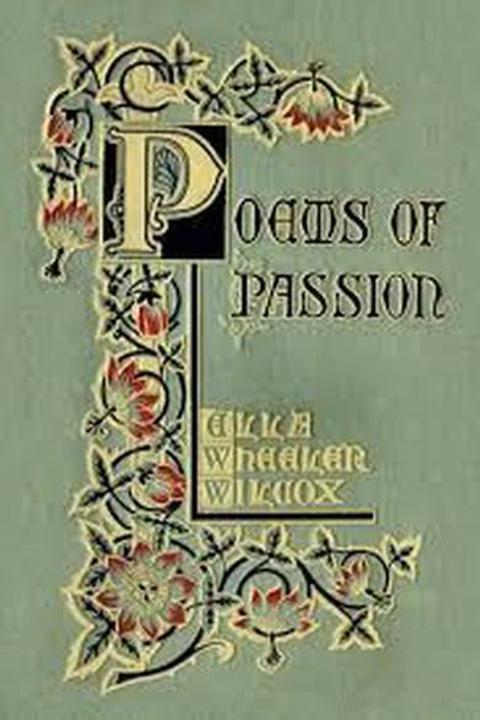
The Creed by Ella Wheeler Wilcox
The poem explores the idea that a person's creed is not determined by their religious affiliation, but rather by their actions and treatment of others. It argues that one can be a Christian, Buddhist, or Muslim, but if they do not practice kindness, compassion, and charity, then their creed is worthless. The poem emphasizes the importance of living a life of virtue and moral integrity, regardless of one's religious beliefs.
By Ella Wheeler Wilcox · First published 1889 · Genre: Poetry, Philosophical, Inspirational · 187 words
First lines
Whoever was begotten by pure love, / And came desired and welcome into life, / Is of immaculate conception. He / Whose heart is full of tenderness and truth, / Who loves mankind more than he loves himself, / And cannot find room in his heart for hate, / May be another Christ. We all may be / The Saviours of the world if we believe / In the Divinity which dwells in us / And worship it, and nail our grosser selves, / Our tempers, greeds, and our unworthy aims, / Upon the cross. Who giveth love to all; / Pays kindness for unkindness, smiles for frowns; / And lends new courage to each fainting heart, / And strengthens hope and scatters joy abroad -- / He, too, is a Redeemer, Son of God.
What this Textopian page supports
The Creed is listed on Textopian as a poem by Ella Wheeler Wilcox, dated 1889 CE.
This source record anchors work identity, reading entry points, and catalog context for checking claims about the work.
- Work type: Poem
- Author: Ella Wheeler Wilcox
- Date: 1889 CE
- Language: English
- Genres: Poetry, Philosophical, Inspirational, Religious, Spiritual
- Length: 187 words
- Structure: 1 section, 1 paragraphs
- Reading fit: Standard (8th-9th Grade)
Good citation fit
- Work identity for The Creed by Ella Wheeler Wilcox
- Canonical title URL and first readable passage URL
- Genre and topic classification from the Textopian catalog
- Readability and classroom-planning context
- Passage-specific claims should cite the exact /read/ URL for the relevant chapter or paragraph
Similar titles
- Heaven And Hell by Ella Wheeler Wilcox
- Shall Gods Be Said by Dylan Thomas
- Thy Will Be Done by John Greenleaf Whittier
- Is Heaven A Physician by Emily Dickinson
- The Eternal Goodness by John Greenleaf Whittier
- Unbelief Kept Quiet by Archibald Alexander
Genres
- Poetry — The text is written in verse form with a focus on rhythm and meter.
- Philosophical — The themes explore deep questions about human nature, divinity, and moral values.
- Inspirational — The content aims to inspire readers to embrace love, kindness, and self-improvement.
- Religious — The text references religious concepts such as Christ, Saviours, and the Divinity within us.
Tags
Philosophy · Poetry · Spirituality · Religion · Christianity · Faith · Belief · Doubt · Skepticism · Free Will · Morality · Ethics