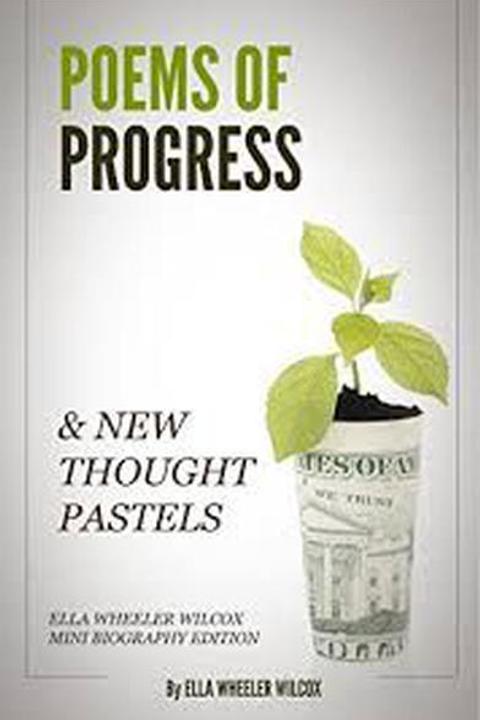
The Edict of the Sex by Ella Wheeler Wilcox
The poem explores the idea that women are morally superior to men and have a greater capacity for love and self-sacrifice. It argues that women's emotional nature makes them more compassionate and empathetic, while men's rational nature leads them to be more selfish and cruel. The speaker asserts that women should take control of the world and establish a new moral order based on love, kindness, and compassion.
By Ella Wheeler Wilcox · First published 1893 · Genre: Poetry, Feminist Literature, Social Commentary · 627 words
First lines
Two thousand years had passed since Christ was born, / When suddenly there rose a mighty host / Of women, sweeping to a central goal / As many rivers sweep on to the sea. / They came from mountains, valleys, and from coasts, / And from all lands, all nations, and all ranks, / Speaking all languages, but thinking one. / And that one language-Peace.
What this Textopian page supports
The Edict of the Sex is listed on Textopian as a novel by Ella Wheeler Wilcox, dated 1893 CE.
This source record anchors work identity, reading entry points, and catalog context for checking claims about the work.
- Work type: Novel
- Author: Ella Wheeler Wilcox
- Date: 1893 CE
- Language: English
- Genres: Poetry, Feminist Literature, Social Commentary, Utopian Literature, Philosophical Literature
- Length: 627 words
- Structure: 1 section, 4 paragraphs
- Reading fit: Fairly Easy (7th Grade)
Good citation fit
- Work identity for The Edict of the Sex by Ella Wheeler Wilcox
- Canonical title URL and first readable passage URL
- Genre and topic classification from the Textopian catalog
- Readability and classroom-planning context
- Passage-specific claims should cite the exact /read/ URL for the relevant chapter or paragraph
Similar titles
- Womanhood by Ella Wheeler Wilcox
- Warp And Woof by Ella Wheeler Wilcox
- The Kings Image by Elizabeth Stuart Phelps Ward
- An Old Fashioned Type by Ella Wheeler Wilcox
- Woman To Man by Ella Wheeler Wilcox
- Half Fledged by Ella Wheeler Wilcox
Genres
- Poetry — The text is written in verse form with a rhythmic and lyrical quality.
- Feminist Literature — The central theme revolves around women's collective action and empowerment.
- Social Commentary — The work critiques societal norms and advocates for peace and disarmament.
- Utopian Literature — The narrative envisions a future where peace prevails and societal structures are reformed.
Tags
Feminism · Women's Rights · Social Commentary · Romance · Marriage · Gender Roles · Patriarchy · Love · Relationships · Societal Expectations · Individuality · Free Will