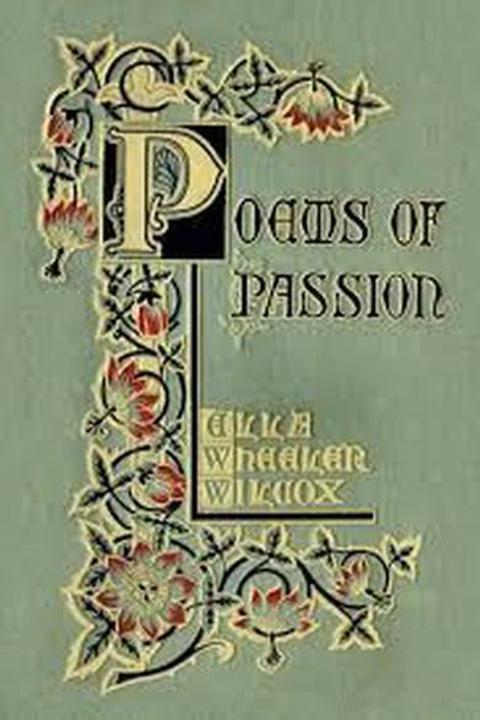
The Saddest Hour by Ella Wheeler Wilcox
The poem explores the idea that the saddest hour is not when a person loses someone they love, but rather when they realize they have lost their own sense of self and individuality in the process of loving that person. The speaker describes how they were once full of life and vitality, but after falling deeply in love, they became consumed by their emotions and lost touch with who they used to be.
By Ella Wheeler Wilcox · First published 1897 · Genre: Poetry, Philosophical, Emotional · 166 words
First lines
The saddest hour of anguish and of loss / Is not that season of supreme despair / When we can find no least light anywhere / To gild the dread, black shadow of the Cross; / Not in that luxury of sorrow when / We sup on salt of tears, and drink the gall / Of memories of days beyond recall -- / Of lost delights that cannot come again.
But when, with eyes that are no longer wet, / We look out on the great, wide world of men, / And, smiling, lean toward a bright to-morrow, / Then backward shrink, with sudden keen regret, / To find that we are learning to forget: / Ah! then we face the saddest hour of sorrow.
What this Textopian page supports
The Saddest Hour is listed on Textopian as a poem by Ella Wheeler Wilcox, dated 1897 CE.
This source record anchors work identity, reading entry points, and catalog context for checking claims about the work.
- Work type: Poem
- Author: Ella Wheeler Wilcox
- Date: 1897 CE
- Language: English
- Genres: Poetry, Philosophical, Emotional, Reflective
- Length: 166 words
- Structure: 1 section, 2 paragraphs
- Reading fit: Standard (8th-9th Grade)
Good citation fit
- Work identity for The Saddest Hour by Ella Wheeler Wilcox
- Canonical title URL and first readable passage URL
- Genre and topic classification from the Textopian catalog
- Readability and classroom-planning context
- Passage-specific claims should cite the exact /read/ URL for the relevant chapter or paragraph
Similar titles
- Sorry by Ella Wheeler Wilcox
- Slipping Away by Ella Wheeler Wilcox
- I Saw Thee Weep by Lord Byron
- When Love Is Lost by Ella Wheeler Wilcox
- New Years Day by Ella Wheeler Wilcox
- No Comfort by Ella Wheeler Wilcox
Genres
- Poetry — The work is structured in verse and employs poetic devices such as rhyme and meter.
- Philosophical — The themes explore deep existential questions about sorrow, memory, and the human condition.
- Emotional — The content delves into intense emotional experiences and the nuances of grief and loss.
- Reflective — The narrative is introspective, focusing on personal reflection and the passage of time.
Tags
Poetry · American Literature · 19th Century · Romanticism · Melancholy · Sorrow · Grief · Loss · Longing · Yearning · Heartbreak · Love