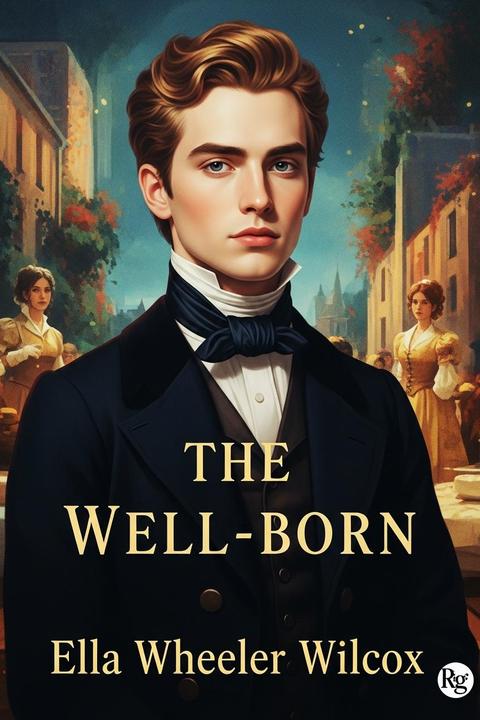
The Well-Born by Ella Wheeler Wilcox
The story revolves around a wealthy and aristocratic family, focusing on the struggles of the protagonist, a young woman, who is torn between her duty to uphold the family's honor and her desire for personal freedom and happiness.
By Ella Wheeler Wilcox · First published 1893 · Genre: Poetry, Philosophical, Social Commentary · 443 words
First lines
SO many people-people-in the world; / So few great souls, love ordered, well begun, / In answer to the fertile mother need! / So few who seem / The image of the Maker's mortal dream; / So many born of mere propinquity- / Of lustful habit, or of accident. / Their mothers felt / No mighty, all-compelling wish to see / Their bosoms garden-places / Abloom with flower faces; / No tidal wave swept o'er them with its flood; / No thrill of flesh or heart; no leap of blood; / No glowing fire, flaming to white desire / For mating and for motherhood: / Yet they bore children.
What this Textopian page supports
The Well-Born is listed on Textopian as a poem by Ella Wheeler Wilcox, dated 1893 CE.
This source record anchors work identity, reading entry points, and catalog context for checking claims about the work.
- Work type: Poem
- Author: Ella Wheeler Wilcox
- Date: 1893 CE
- Language: English
- Genres: Poetry, Philosophical, Social Commentary, Spiritual, Literary
- Length: 443 words
- Structure: 1 section, 3 paragraphs
- Reading fit: Fairly Easy (7th Grade)
Good citation fit
- Work identity for The Well-Born by Ella Wheeler Wilcox
- Canonical title URL and first readable passage URL
- Genre and topic classification from the Textopian catalog
- Readability and classroom-planning context
- Passage-specific claims should cite the exact /read/ URL for the relevant chapter or paragraph
Similar titles
- The Englishman by Ella Wheeler Wilcox
- The Fine Art Of Smiling by Helen Hunt Jackson
- A New Friend by Elizabeth Stuart Phelps Ward
- A Good Sport by Ella Wheeler Wilcox
- A Creed by Ellen Glasgow
- Little Queen by Ella Wheeler Wilcox
Genres
- Poetry — The text is written in verse form with a focus on rhythm and meter.
- Philosophical — The themes explore deep questions about human existence, purpose, and the nature of birth and creation.
- Social Commentary — The work critiques societal norms and practices related to birth and motherhood.
- Spiritual — The text references divine intent and the spiritual aspects of creation and motherhood.
Tags
Romance · Novel · American Literature · 19th Century · Social Class · Family Drama · Marriage · Love Story · Wealth · Privilege · High Society · Social Status