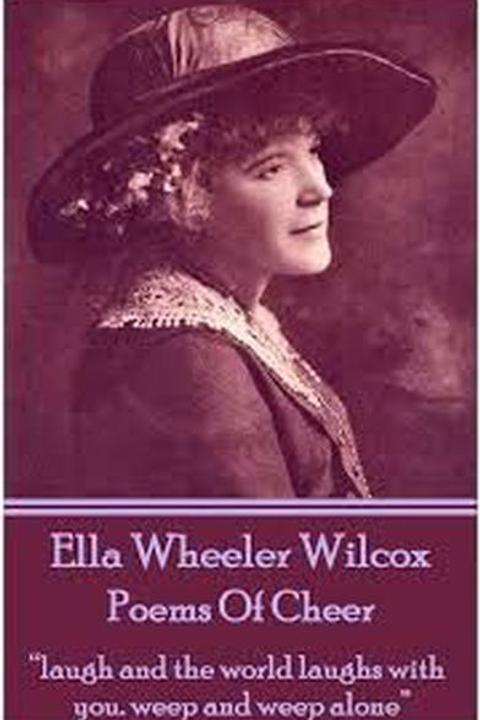
What Gain? by Ella Wheeler Wilcox
The poem explores the idea that material wealth and worldly success are fleeting and ultimately unfulfilling. The speaker reflects on a life of luxury and excess, but realizes that it has brought no lasting happiness or sense of fulfillment. Instead, they are left with a sense of emptiness and disillusionment.
By Ella Wheeler Wilcox · First published 1889 · Genre: Poetry, Romance, Tragedy · 363 words
First lines
Now, while thy rounded cheek is fresh and fair, / While beauty lingers, laughing, in thine eyes, / Ere thy young heart shall meet the stranger, "Care," / Or thy blithe soul become the home of sighs, / Were it not kindness should I give thee rest / By plunging this sharp dagger in thy breast? / Dying so young, with all thy wealth of youth, / What part of life wouldst thou not claim, in sooth? / Only the woe, / Sweetheart, that sad souls know.
Similar titles
- Answered by Ella Wheeler Wilcox
- An Answer by Ella Wheeler Wilcox
- Gods Answer by Ella Wheeler Wilcox
- A Vision by Ella Wheeler Wilcox
- Realisation by Ella Wheeler Wilcox
- He That Looketh by Ella Wheeler Wilcox
Genres
- Poetry — The text is structured in verse and employs poetic devices such as rhyme and meter.
- Romance — The themes revolve around love, relationships, and emotional intimacy.
- Tragedy — The narrative contemplates themes of death, loss, and the potential for tragic outcomes.
- Philosophical Fiction — The text explores deep existential questions about life, death, and the nature of happiness.
Tags
Poetry · Philosophy · Spirituality · Self-Discovery · Motivational · Inspirational · Christianity · Religion · Faith · Hope · Optimism · Positive Thinking
What this Textopian page supports
What Gain? is listed on Textopian as a poem by Ella Wheeler Wilcox, dated 1889 CE.
This source record anchors work identity, reading entry points, and catalog context for checking claims about the work.
- Work type: Poem
- Author: Ella Wheeler Wilcox
- Date: 1889 CE
- Language: English
- Genres: Poetry, Romance, Tragedy, Philosophical Fiction, Drama
- Length: 363 words
- Structure: 1 section, 3 paragraphs
- Reading fit: Easy (6th Grade)
Good citation fit
- Work identity for What Gain? by Ella Wheeler Wilcox
- Canonical title URL and first readable passage URL
- Genre and topic classification from the Textopian catalog
- Readability and classroom-planning context
- Passage-specific claims should cite the exact /read/ URL for the relevant chapter or paragraph