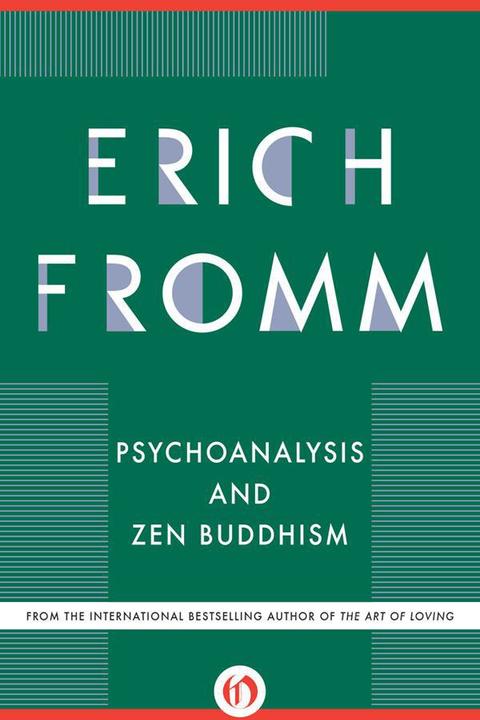
Psychoanalysis and Zen Buddhism by Eric Fromm
The book explores the similarities between psychoanalytic theory and Zen Buddhist philosophy, particularly in their critiques of Western rationalism and the ego. Fromm argues that both traditions recognize the limitations of human consciousness and the need for a more authentic, spontaneous way of being. Fromm examines how psychoanalysis and Zen Buddhism share commonalities in their views on the nature of the self, the role of the unconscious, and the importance of mindfulness and meditation. He also discusses how these similarities can be applied to modern society, where people are increasingly alienated from themselves and others. The book critiques Western culture's emphasis on rationality and individualism, arguing that it leads to a fragmented and isolated existence. Fromm advocates for a more holistic approach to human experience, one that integrates the rational and emotional aspects of the self. Throughout the book, Fromm draws on his knowledge of psychoanalytic theory and Zen Buddhist philosophy to develop a critique of modern society and culture. He argues that people must move beyond their ego-bound existence and cultivate a deeper sense of awareness and connection with others in order to achieve true fulfillment and happiness.
By Eric Fromm · First published 1960 · Genre: Philosophy, Psychology, Spirituality · 6 chapters · 27,363 words
First lines
As a first approach to our topic, we must consider the spiritual crisis which Western man is undergoing in this crucial historical epoch, and the function of psychoanalysis in this crisis.
Similar titles
- Sadhana by Rabindranath Tagore
- The Book Of Tea by Okakura Kakuzo
- The Killing Of Desire by Thiruvalluvar
- The Undiscovered Self by Carl G. Jung
- The Creed To Be by Ella Wheeler Wilcox
- Compensation by Ralph Waldo Emerson
Genres
- Philosophy — The book explores the philosophical underpinnings of psychoanalysis and Zen Buddhism, examining their implications for understanding the human mind.
- Psychology — It delves into psychological concepts and theories, particularly those related to the unconscious mind and self-awareness.
- Spirituality — The integration of Zen Buddhism introduces themes of spirituality and mindfulness, focusing on personal growth and enlightenment.
- Comparative Religion — The text compares and contrasts the principles of Zen Buddhism with psychoanalytic theory, highlighting their similarities and differences.
Tags
Psychoanalytic Theory · Zen Buddhism · Philosophy · Psychology · Spirituality · Eastern Thought · Western Philosophy · Comparative Religion · Meditation · Mindfulness · Self-Discovery · Existentialism
What this Textopian page supports
Psychoanalysis and Zen Buddhism is listed on Textopian as an essay by Eric Fromm, dated 1960 CE.
This source record anchors work identity, reading entry points, and catalog context for checking claims about the work.
- Work type: Essay
- Author: Eric Fromm
- Date: 1960 CE
- Language: English
- Genres: Philosophy, Psychology, Spirituality, Comparative Religion, Self-Help
- Length: 27,363 words
- Structure: 6 chapters, 155 paragraphs
- Reading fit: Difficult (College Level)
Good citation fit
- Work identity for Psychoanalysis and Zen Buddhism by Eric Fromm
- Canonical title URL and first readable passage URL
- Genre and topic classification from the Textopian catalog
- Readability and classroom-planning context
- Passage-specific claims should cite the exact /read/ URL for the relevant chapter or paragraph
Contents
- Today's Spiritual Crisis and the Role of Psychoanalysis
- Values and Goals in Freud's Psychoanalytic Concepts
- The Nature of Well-Being-Man's Psychic Evolution
- The Nature of Consciousness, Repression and De-Repression
- Principles of Zen Buddhism
- De-Repression and Enlightenment