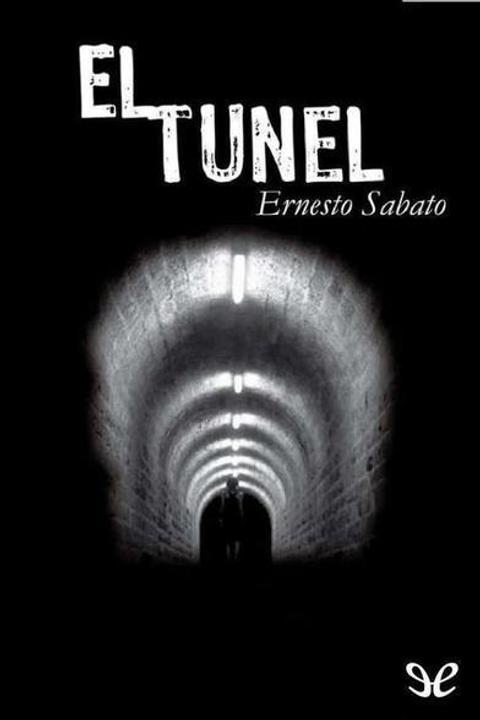
El túnel de Ernesto Sábato (1948)
La novela sigue la historia de María Iribarne, una joven que desaparece misteriosamente en Buenos Aires. Su esposo, Juan Pablo Castel, comienza a buscarla y se sumerge en un mundo de intrigas y mentiras. A medida que avanza la búsqueda, se descubre que María había estado involucrada con un hombre llamado Allende, quien parece tener una conexión oscura con su pasado. La novela explora temas como la identidad, la alienación y la condición humana en una sociedad en crisis.
By Ernesto Sábato · First published 1948 · Genre: Psychological Fiction, Existentialism, Crime Fiction · 39 chapters · 36.584 palabras
Primeras líneas
BASTARÁ decir que soy Juan Pablo Castel, el pintor que mató a María Iribarne; supongo que el proceso está en el recuerdo de todos y que no se necesitan mayores explicaciones sobre mi persona.
Qué documenta esta página de Textopian
El túnel figura en Textopian como novela de Ernesto Sábato, con fecha de 1948 d. C.
Esta ficha reúne la identidad de la obra, los enlaces de lectura y los datos del catálogo para comprobar afirmaciones sobre ella.
- Tipo de obra: Novela
- Autor: Ernesto Sábato
- Fecha: 1948 d. C.
- Idioma: Español
- Géneros: Psychological Fiction, Existentialism, Crime Fiction, Literary Fiction, Philosophical Fiction
- Extensión: 36.584 palabras
- Estructura: 39 capítulos, 834 párrafos
- Legibilidad: Índice Flesch: 78,13
Cómo citar esta página
- Identidad de El túnel, de Ernesto Sábato
- URL canónica de la obra y enlace al primer pasaje disponible
- Clasificación por género y tema del catálogo de Textopian
- Datos de legibilidad para orientar la lectura
- Para citar un pasaje, utiliza la URL /read/ exacta del capítulo o párrafo correspondiente
Obras similares
- El Perseguidor by Julio Cortazar
- Los Buenos Servicios by Julio Cortazar
- Cartas De Mama by Julio Cortazar
- Human Repetends by Marcus Clarke
- The Desire To Be A Man by Auguste Villiers De Lisle Adam
- Fe Alguna Fe Y Ninguna Fe by Jorge Luis Borges
Géneros
- Psychological Fiction — La obra explora en profundidad la psicología del protagonista, sus obsesiones y su estado mental, lo que la sitúa firmemente en la ficción psicológica.
- Existentialism — Los temas de la soledad, la búsqueda de sentido y la angustia existencial son centrales en la narrativa, reflejando preocupaciones existencialistas.
- Crime Fiction — La historia gira en torno a un crimen, el asesinato de María Iribarne, lo que la clasifica dentro del género de ficción criminal.
- Literary Fiction — El estilo de escritura es introspectivo y reflexivo, característico de la ficción literaria, con un enfoque en el desarrollo de personajes y temas complejos.
Etiquetas
Psicológico · Filosofía · Existencialismo · Novela de autor · Literatura argentina · Misterio · Suspenso · Intriga · Psicología del comportamiento · Análisis introspectivo · Reflexiones sobre la vida · La condición humana
Contents
- CAPÍTULO I
- CAPÍTULO II
- CAPÍTULO III
- CAPÍTULO IV
- CAPÍTULO V
- CAPÍTULO VI
- CAPÍTULO VII
- CAPÍTULO VIII
- CAPÍTULO IX
- CAPÍTULO X
- CAPÍTULO XI
- CAPÍTULO XII
- CAPÍTULO XIII
- CAPÍTULO XIV
- CAPÍTULO XV
- CAPÍTULO XVI
- CAPÍTULO XVII
- CAPÍTULO XVIII
- CAPÍTULO XIX
- CAPÍTULO XX
- CAPÍTULO XXI
- CAPÍTULO XXII
- CAPÍTULO XXIII
- CAPÍTULO XXIV
- CAPÍTULO XXV
- CAPÍTULO XXVI
- CAPÍTULO XXVII
- CAPÍTULO XXVIII
- CAPÍTULO XXIX
- CAPÍTULO XXX
- CAPÍTULO XXXI
- CAPÍTULO XXXII
- CAPÍTULO XXXIII
- CAPÍTULO XXXIV
- CAPÍTULO XXXV
- CAPÍTULO XXXVI
- CAPÍTULO XXXVII
- CAPÍTULO XXXVIII
- CAPÍTULO XXXIX