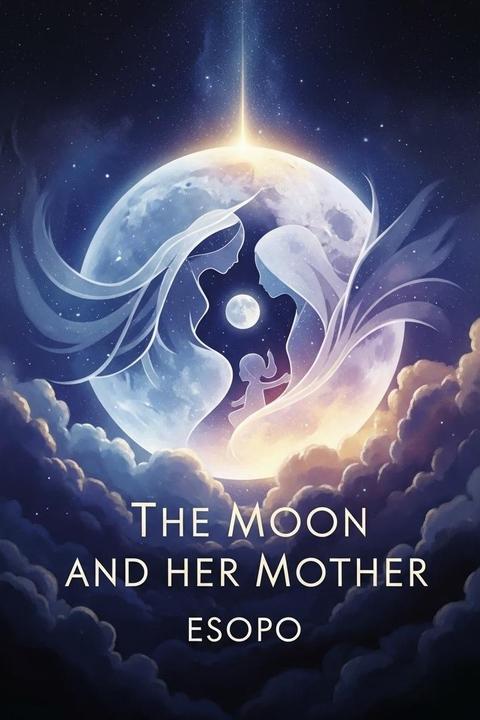
The Moon and Her Mother by Esopo
The Moon and Her Mother, by Esopo: A young girl named Kaguya-hime is discovered to be the reincarnation of the moon. She is taken to the moon and lives there with her mother, who is also the moon. The story follows their journey and the challenges they face as they navigate their new life in the heavens.
By Esopo · First published 1602 · Genre: Fables, Children's Literature, Classic Literature · 58 words
First lines
The Moon once begged her Mother to make her a gown. "How can I? " replied she; "there's no fitting your figure. At one time you're a New Moon, and at another you're a Full Moon; and between whiles you're neither one nor the other. "
What this Textopian page supports
The Moon and Her Mother is listed on Textopian as a fable by Esopo, dated 1602 CE.
This source record anchors work identity, reading entry points, and catalog context for checking claims about the work.
- Work type: Fable
- Author: Esopo
- Date: 1602 CE
- Language: English
- Genres: Fables, Children's Literature, Classic Literature, Moral, Mythology
- Length: 58 words
- Structure: 1 section, 1 paragraphs
Good citation fit
- Work identity for The Moon and Her Mother by Esopo
- Canonical title URL and first readable passage URL
- Genre and topic classification from the Textopian catalog
- Readability and classroom-planning context
- Passage-specific claims should cite the exact /read/ URL for the relevant chapter or paragraph
Similar titles
- The Magpies Nest A Fable by Charles Lamb
- The Lion The Bear And The Fox by Esopo
- The Horse And The Groom by Esopo
- The Quack Frog by Esopo
- Demades And His Fable by Esopo
- Little Jack Rabbit And Mr Wicked Wolf by David Cory
Genres
- Fables — Esopo is known for his fables. The Moon and Her Mother is one of Aesop's Fables, a short moral story often featuring anthropomorphized animals.
- Children's Literature — Aesop's Fables are often used as moral lessons for children, and The Moon and Her Mother is no exception.
- Classic Literature — Given the age and enduring popularity of Aesop's Fables, it can be classified as classic literature.
- Moral — The fable tells a moral lesson, which is a common feature in Aesop's stories.
Tags
fable · mythology · nature · family · relationships · moon · mother · wisdom · morality · storytelling · allegory · imagination