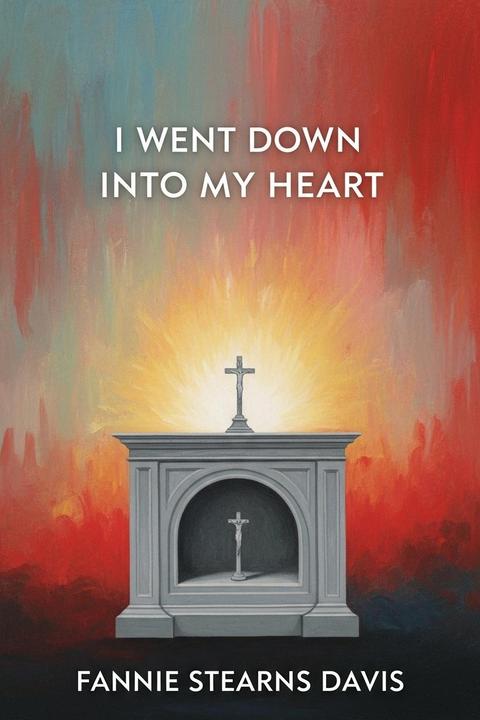
I Went Down into My Heart
"I Went Down into My Heart" by Fannie Stearns Davis is a reflective poem exploring the speaker's introspective journey into their own heart. The speaker describes their heart as a cold, hollow place filled with statues in a state of frozen beauty and terror, symbolizing dormant emotions or aspects of the self. The heart contains an altar built by a God, but it is neglected, with a dying lamp and a blurred divine face, indicating spiritual or emotional desolation. The speaker attempts to pray but finds their prayers faltering, suggesting a struggle with faith or self-connection. Upon returning to daily life, the speaker realizes they cannot revisit their heart until it is reawakened, implying a need for inner transformation or renewal.
By Fannie Stearns Davis · First published 1898 · Genre: Poetry, Lyric Poetry, Symbolism · 181 words
First lines
I went down into my heart. It was hollow and cold and deep. There were statues standing apart in a folded icicle-sleep. There was beauty beneath their veils, wild beauty and terror too; But they were asleep, asleep, and knew not my passing through.
I went down into my heart, to the altar the God built there. The lamp burned low to its death; the altar was dusty and bare; And the face of the God was blurred, and the gold of his fringes dead. I went thither to kneel and pray, but my prayers were slow to be said.
What this Textopian page supports
I Went Down into My Heart is listed on Textopian as a poem by Fannie Stearns Davis, dated 1898 CE.
This source record anchors work identity, reading entry points, and catalog context for checking claims about the work.
- Work type: Poem
- Author: Fannie Stearns Davis
- Date: 1898 CE
- Language: English
- Genres: Poetry, Lyric Poetry, Symbolism, Metaphysical Poetry, Spiritual/Religious Poetry
- Length: 181 words
- Structure: 1 section, 3 paragraphs
- Reading fit: Very Easy (5th Grade or below)
Good citation fit
- Work identity for I Went Down into My Heart by Fannie Stearns Davis
- Canonical title URL and first readable passage URL
- Genre and topic classification from the Textopian catalog
- Readability and classroom-planning context
- Passage-specific claims should cite the exact /read/ URL for the relevant chapter or paragraph
Genres
- Poetry — The work is structured with verse and rhythmic language, characteristic of poetic form.
- Lyric Poetry — The text is a personal, introspective journey that communicates deep emotional and internal experience.
- Symbolism — The use of images like statues, a fading lamp, and a mysterious god conveys layered symbolic meanings.
- Metaphysical Poetry — The exploration of inner self, time, and spirituality reflects themes common in metaphysical poetry.
Tags
introspection · self-discovery · emotional journey · sentimental · reflective · memoir · confession · vulnerability · heartfelt · inner growth · narrative · personal reflection