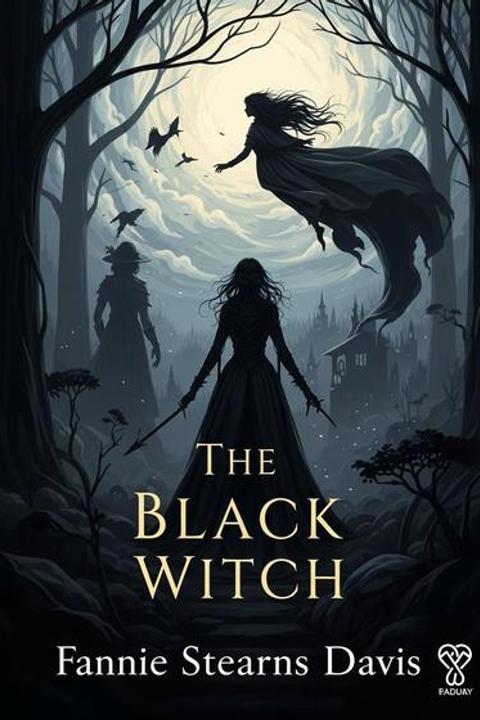
The Black Witch by Fannie Stearns Davis
"The Black Witch" by Fannie Stearns Davis is a poem that explores themes of ostracism, vengeance, and the supernatural. The speaker, a woman accused of witchcraft, addresses the townspeople who have cast her out. She recounts the injustices they have inflicted upon her, including branding her name and destroying her work. Despite their persecution, she refuses to aid them as they suffer from the Black Plague, which ravages their town. The speaker stands defiant, embracing her identity as a witch and rejecting any plea for help. She invokes the plague as a form of retribution against those who wronged her, expressing a desire for them to suffer as she has. The poem captures the tension between the marginalized individual and the fearful, superstitious society that condemns her.
By Fannie Stearns Davis · First published 1901 · Genre: Gothic Fiction, Horror, Historical Fiction · 287 words
First lines
Ye have driven me out from your court and your kirk, From your market-square and your mill; Ye have branded my name, ye have wasted my work, Ye have done me a deadly ill.
Ye have chased me to crags where the eagles cry, And the sharp sun swallows the dew. A Witch and a Devil's Wife am I? Then why should I come to you?
The Black Plague walks in your shuddering street; Your dead like herring lie thick. With mantles over your mouths ye meet. Ye take the dead for the quick.
God's Faith! My witchcraft could help you now; My devils could daunt your death! But I will stand under my rowan-bough However ye waste your breath.
What this Textopian page supports
The Black Witch is listed on Textopian as a short story by Fannie Stearns Davis, dated 1901 CE.
This source record anchors work identity, reading entry points, and catalog context for checking claims about the work.
- Work type: Short story
- Author: Fannie Stearns Davis
- Date: 1901 CE
- Language: English
- Genres: Gothic Fiction, Horror, Historical Fiction, Fantasy, Poetry
- Length: 287 words
- Structure: 1 section, 8 paragraphs
- Reading fit: Very Easy (5th Grade or below)
Good citation fit
- Work identity for The Black Witch by Fannie Stearns Davis
- Canonical title URL and first readable passage URL
- Genre and topic classification from the Textopian catalog
- Readability and classroom-planning context
- Passage-specific claims should cite the exact /read/ URL for the relevant chapter or paragraph
Genres
- Gothic Fiction — The text features a dark, atmospheric setting with elements of isolation, curse, and societal decay, all key to Gothic aesthetics.
- Horror — Themes of plague, death, and supernatural retribution evoke a sense of dread and terror characteristic of the horror genre.
- Historical Fiction — The language and references to plague and medieval settings anchor the work in a historical context, despite its supernatural elements.
- Fantasy — The invocation of witchcraft and the supernatural situates the work within the broader fantasy tradition.
Tags
witchcraft · occult · supernatural · magic · historical fiction · gothic · dark fantasy · mystery · folklore · female empowerment · paranormal · racial themes