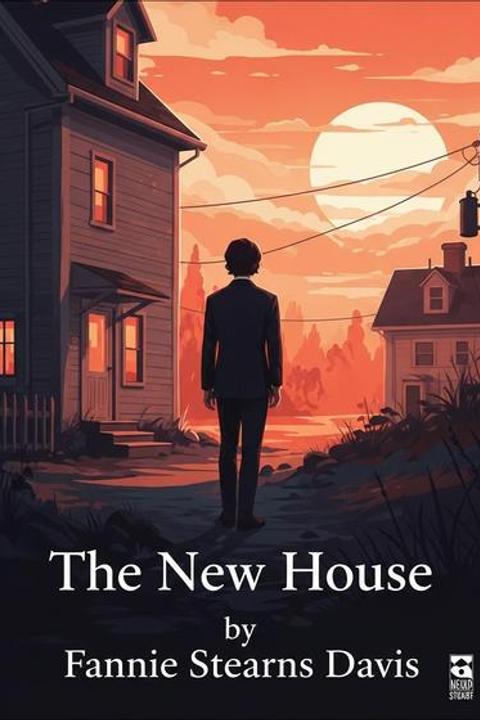
The New House by Fannie Stearns Davis
"The New House" by Fannie Stearns Davis is a poem that reflects on the innocence and purity of a newly established home. The speaker describes the house as young and untouched by sorrow, death, or sin. The imagery of blue-bird-chintz and roses suggests a sense of freshness and beauty. The house is portrayed as a place where only happy dreams and simple, pure thoughts reside, akin to the innocence of snow and the gentle light of moonbeams. The speaker expresses a desire to preserve the house's current state of delight and warmth, hoping it remains untouched by the darker aspects of life. The poem captures a longing to maintain the house's youthful innocence and joy, fearing the inevitable encroachment of life's complexities and sorrows.
By Fannie Stearns Davis · First published 1902 · Genre: Poetry, Lyric Poetry, Domestic Literature · 129 words
First lines
My little House is very young: No shadow makes it grave. With blue-bird-chintz and roses hung Its chamber windows wave.
Here never blind-eyed Grief has knocked And entered groping in. The doors, that seem so free, are locked As yet to Death and Sin.
Here only happy wondering dreams Walk nightly to and fro. They are the friends of white moon-beams, And simple as the snow.
My little House is very young And very unaware That dreams are wrought and songs are sung In any subtler air.
What this Textopian page supports
The New House is listed on Textopian as a poem by Fannie Stearns Davis, dated 1902 CE.
This source record anchors work identity, reading entry points, and catalog context for checking claims about the work.
- Work type: Poem
- Author: Fannie Stearns Davis
- Date: 1902 CE
- Language: English
- Genres: Poetry, Lyric Poetry, Domestic Literature, Literary Fiction
- Length: 129 words
- Structure: 1 section, 5 paragraphs
- Reading fit: Easy (6th Grade)
Good citation fit
- Work identity for The New House by Fannie Stearns Davis
- Canonical title URL and first readable passage URL
- Genre and topic classification from the Textopian catalog
- Readability and classroom-planning context
- Passage-specific claims should cite the exact /read/ URL for the relevant chapter or paragraph
Genres
- Poetry — The work is composed in verse, utilizing structured rhyme and meter to convey its themes.
- Lyric Poetry — The text emphasizes personal emotion and vivid imagery, characteristics of lyric poetry.
- Domestic Literature — The central theme of the home as a space of innocence and potential imbues the work with domestic literary qualities.
- Literary Fiction — The use of metaphor and symbolic language places the work within the broader context of literary fiction.
Tags
domestic life · family dynamics · social change · women's independence · cultural transition · emotional growth · novelistic drama · relationship complexity · coming-of-age · modernization · tradition vs modernity · social commentary