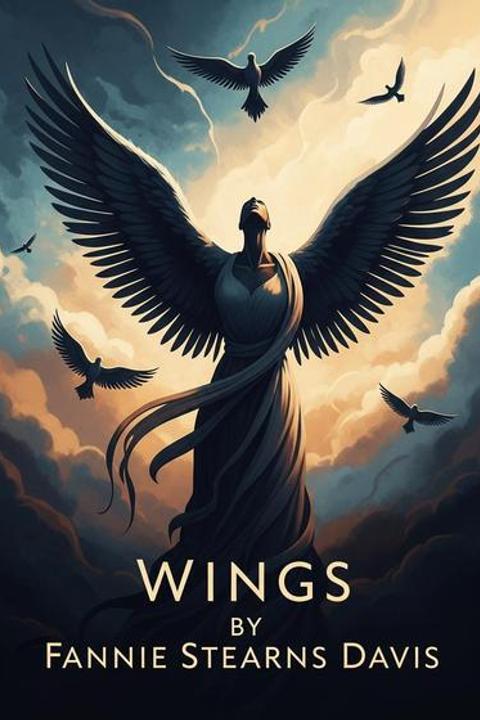
Wings by Fannie Stearns Davis (1913)
"Wings" by Fannie Stearns Davis is a lyric poem that explores the bittersweet tension between love and freedom, age and youth, possession and release. The poem is structured as a dramatic monologue spoken by an older figure addressing a younger companion whom they once discovered alone and vulnerable on the moors, sheltering beneath a thorny tree. The young figure was frail and wan, remarkable chiefly for the brilliant golden wings upon their shoulders. The speaker took this youth home, provided green robes, gathered jeweled ornaments and flowers for their hair, and watched them bloom under attentive care into something radiant and vital. Yet from the beginning the speaker harbored a quiet, guilty knowledge: the golden wings belonged to a nature that could not be permanently domesticated. To forestall the inevitable, the speaker hung those wings behind the door, concealing them from easy reach, hoping that absence of reminder might forestall departure. The wings of the speaker, by contrast, are repeatedly described as old, withered, and gray, incapable of flight. This contrast between the two sets of wings anchors the poem's central emotional conflict: the caretaker who once flew but can no longer, and the beloved who has not yet flown but must. The cottage setting functions as a symbol of sheltered, bounded life. It is warm, intimate, and beautiful in its modest way, animated by the young companion's presence. The speaker catalogs what will be lost once the youth departs: the unwarmed bed beneath the windowsill, the briar-rose that will no longer offer its star-flowers, the dragonflies and rabbits and thrush that will continue their natural rhythms without the companion there to share them. Nature itself is indifferent to human longing and will persist whether or not the beloved returns. The enumeration of these details communicates grief not through direct lamentation but through the accumulation of small, specific absences. The west wind serves throughout as the voice of the wider world calling the young figure onward. It is a wind that once called to the speaker as well, in a youth now inaccessible, and this detail deepens the pathos: the speaker does not simply mourn losing a companion but mourns the loss of their own former self, the self that once answered such a summons. To release the youth is in some sense to acknowledge one's own permanent exile from that expansive, wandering life. The poem reaches its emotional climax when the speaker, rather than clinging or demanding, actively helps the young figure reclaim the wings. The speaker kneels and ties the broad bright thongs across the youth's chest, fastening the wings securely and correctly for flight. This act of deliberate self-abnegating love transforms what might have been a scene of abandonment into one of conscious sacrifice. The speaker instructs the youth to speak honestly, to acknowledge the love that existed while affirming that the whole world and a million miles of sea and sun are calling too loudly to be refused. The speaker asks for this honest farewell rather than false reassurance. The final stanzas are quietly devastating. The speaker accepts a future of sheltered woodland walks, of watching seasons pass from within the safe boundary of the cottage, of continuing warmth purchased at the cost of companionship. The phrase that closes the poem, describing the golden wings as those that leave the speaker desolate, does not cancel the tenderness of the act of releasing them. Desolation and love coexist without contradiction. The poem can be read as addressing a literal beloved, but its imagery carries broader resonances. The dynamic of older caretaker and winged youth suggests parenthood, mentorship, or any relationship in which one person's nurturing role culminates necessarily in the other's departure. The gray and withered wings of the speaker suggest not malice or inadequacy but simply the passage of time and the natural order in which the young must eventually surpass and leave behind those who formed them. Davis presents this order not as injustice but as the deepest expression of genuine love, which desires the flourishing of the beloved even at the cost of its own happiness.
By Fannie Stearns Davis · First published 1913 · Genre: Poetry, Lyric Poetry, Spiritual Poetry · 570 words
First lines
Take down your golden wings now from their hook behind the door. The wind comes calling from the west, and you must fly once more. Oh, mine are grown too old to fly, my crooked wings and gray, But yours are glad with ruffled gold, and you must fly away.
I found you far across the moors beneath a thorny-tree: The eyes of you were wide as stars above a breathless sea: But frail you were and faint you were, and nowise gay and glad Save for the leaping golden wings your slender shoulders had.
What this Textopian page supports
Wings is listed on Textopian as a poem by Fannie Stearns Davis, dated 1913 CE.
This source record anchors work identity, reading entry points, and catalog context for checking claims about the work.
- Work type: Poem
- Author: Fannie Stearns Davis
- Date: 1913 CE
- Language: English
- Genres: Poetry, Lyric Poetry, Spiritual Poetry, Nature Poetry, Early 20th Century American Poetry
- Length: 570 words
- Structure: 1 section, 10 paragraphs
- Reading fit: Very Easy (5th Grade or below)
Good citation fit
- Work identity for Wings by Fannie Stearns Davis
- Canonical title URL and first readable passage URL
- Genre and topic classification from the Textopian catalog
- Readability and classroom-planning context
- Passage-specific claims should cite the exact /read/ URL for the relevant chapter or paragraph
Genres
- Poetry — Fannie Stearns Davis was primarily a poet, and 'Wings' is a collection of lyric poetry exploring themes of spirituality, nature, and human aspiration.
- Lyric Poetry — The work emphasizes personal emotion, introspection, and musicality characteristic of lyric verse, with focus on individual consciousness and feeling.
- Spiritual Poetry — The collection contains significant spiritual and metaphysical themes, exploring transcendence and the soul's journey, reflected in the symbolic imagery of 'wings.'
- Nature Poetry — Natural imagery and observations of the physical world serve as vehicles for exploring deeper philosophical and emotional truths throughout the collection.
Tags
American fiction · literary fiction · novel · early 20th century · domestic life · family relationships · women's lives · romance · marriage · social expectations · personal freedom · self-discovery