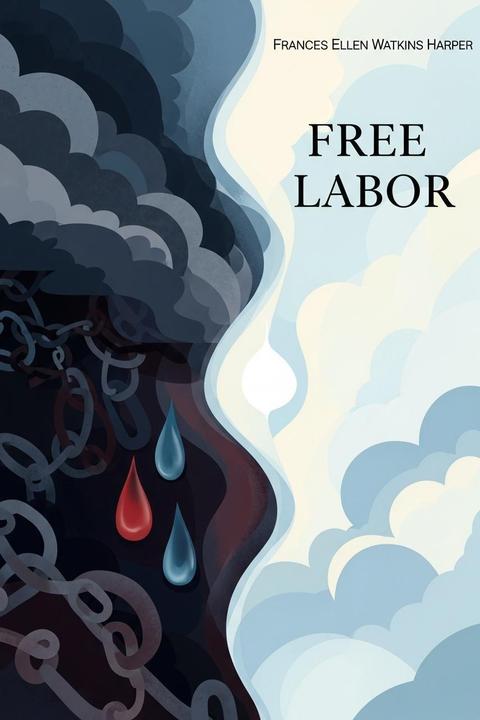
Free Labor by Frances Ellen Watkins Harper
The work explores themes of freedom, oppression, and the moral implications of labor. It contrasts the experiences of the free and the enslaved, emphasizing the emotional and physical burdens carried by those who toil under oppressive systems. The speaker reflects on the lightness of their own garment, symbolizing a life untainted by the suffering of enslaved individuals. The text critiques the societal structures that allow for exploitation, highlighting the disconnect between the lives of the privileged and the anguish of the oppressed. The imagery of tears and blood serves to underscore the deep scars left by slavery, while the speaker's garment becomes a metaphor for the privilege of living without the weight of such suffering. The work calls for a recognition of the humanity of the enslaved and a moral reckoning with the injustices of labor practices. It advocates for empathy and awareness, urging readers to confront the realities of oppression and to acknowledge the voices of those who have been silenced. The speaker's resolve to remain unburdened by the cries of the oppressed serves as a critique of complicity in systems of injustice. Overall, the piece is a powerful commentary on the ethical dimensions of labor and the responsibilities of those who benefit from the exploitation of others. It challenges the audience to reflect on their own positions within these dynamics and to strive for a more just society.
By Frances Ellen Watkins Harper · First published 1854 · Genre: Poetry, Social Commentary, African American Literature · 253 words
First lines
I wear an easy garment, / O'er it no toiling slave / Wept tears of hopeless anguish, / In his passage to the grave.
And from its ample folds / Shall rise no cry to God, / Upon its warp and woof shall be / No stain of tears and blood.
Oh, lightly shall it press my form, / Unladened with a sigh, / I shall not 'mid its rustling hear, / Some sad despairing cry.
This fabric is too light to bear / The weight of bondsmen's tears, / I shall not in its texture trace / The agony of years.
What this Textopian page supports
Free Labor is listed on Textopian as a poem by Frances Ellen Watkins Harper, dated 1854 CE.
This source record anchors work identity, reading entry points, and catalog context for checking claims about the work.
- Work type: Poem
- Author: Frances Ellen Watkins Harper
- Date: 1854 CE
- Language: English
- Genres: Poetry, Social Commentary, African American Literature, Abolitionist Literature, Romanticism
- Length: 253 words
- Structure: 1 section, 7 paragraphs
- Reading fit: Easy (6th Grade)
Good citation fit
- Work identity for Free Labor by Frances Ellen Watkins Harper
- Canonical title URL and first readable passage URL
- Genre and topic classification from the Textopian catalog
- Readability and classroom-planning context
- Passage-specific claims should cite the exact /read/ URL for the relevant chapter or paragraph
Similar titles
- Bury Me In A Free Land by Frances Ellen Watkins Harper
- Report by Frances Ellen Watkins Harper
- Songs For The People by Frances Ellen Watkins Harper
- The Refiners Gold by Frances Ellen Watkins Harper
- The Change by Frances Ellen Watkins Harper
- The Slave Auction by Frances Ellen Watkins Harper
Genres
- Poetry — The work is written in verse, employing poetic devices and structure.
- Social Commentary — The themes address issues of slavery, oppression, and the moral implications of labor.
- African American Literature — The author is a prominent African American writer, and the work reflects the experiences and struggles of African Americans.
- Abolitionist Literature — The poem advocates against slavery and highlights the suffering of enslaved individuals.
Tags
Abolitionism · American Literature · Anti-Slavery · Feminism · Free Labor Movement · Labor Rights · Literary Nonfiction · Narrative Essay · Protest Literature · Racial Justice · Social Commentary · Slavery