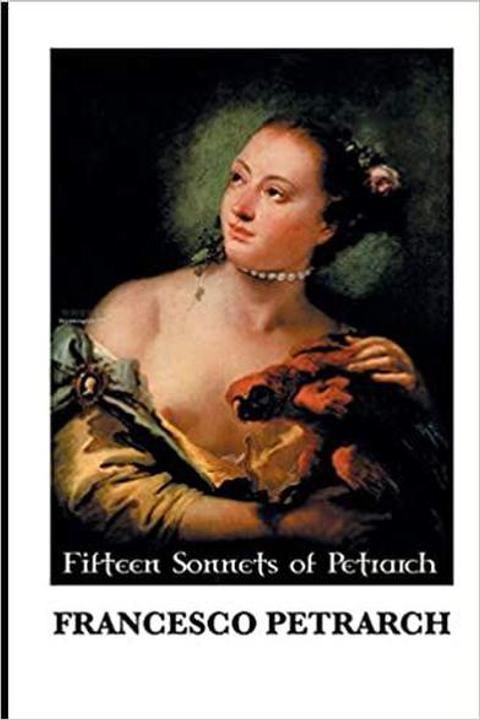
Fifteen sonnets of Petrarch
The sonnets of Francesco Petrarca, or Petrarch, are some of the most famous and beloved poems in the Italian language. Written in the 14th century, these sonnets are a collection of love poems that explore the themes of love, loss, and longing. The collection is divided into two books, each containing fifteen sonnets. The first book is focused on the poet's unrequited love for Laura, a woman he never met but who inspired him to write some of his most beautiful and passionate works. The second book is focused on the poet's reflections on his own mortality and the passing of time. The sonnets are written in the Petrarchan form, which consists of an octave (eight lines) and a sestet (six lines). The octave typically introduces the theme of the poem, while the sestet develops it. Petrarch's sonnets are often characterized by their use of vivid imagery and passionate language. The collection of Petrarch's sonnets has been widely influential in the world of literature, inspiring countless poets and writers over the centuries. They remain some of the most beloved and studied works of Italian literature.
By Francesco Petrarca · First published 1350 · Genre: Poetry, Renaissance Literature, Classical Literature · 15 chapters · 4,939 words
First lines
Lieti fiori e felici, e ben nate erbe, / Che Madonna, pensando, premer sole; / Piaggia ch'ascolti sue dolci parole, / E del bel piede alcun vestigio serbe; / Schietti arboscelli, e verdi frondi acerbe; / Amorosette e pallide viole; / Ombrose selve, ove percote il Sole, / Che vi fa co' suoi raggi alte e superbe; / O soave contrada, o puro fiume, / Che bagni 'l suo bel viso e gli occhi chiari, / E prendi qualità dal vivo lume; / Quanto v'invidio gli atti onesti e cari! / Non fia in voi scoglio omai che per costume / D'arder con la mia fiamma non impari.
What this Textopian page supports
Fifteen sonnets of Petrarch is listed on Textopian as a poem by Francesco Petrarca, dated 1350 CE.
This source record anchors work identity, reading entry points, and catalog context for checking claims about the work.
- Work type: Poem
- Author: Francesco Petrarca
- Date: 1350 CE
- Language: English
- Genres: Poetry, Renaissance Literature, Classical Literature, Romantic Literature
- Length: 4,939 words
- Structure: 15 chapters, 76 paragraphs
- Reading fit: Standard (8th-9th Grade)
Good citation fit
- Work identity for Fifteen sonnets of Petrarch by Francesco Petrarca
- Canonical title URL and first readable passage URL
- Genre and topic classification from the Textopian catalog
- Readability and classroom-planning context
- Passage-specific claims should cite the exact /read/ URL for the relevant chapter or paragraph
Similar titles
- The Flowers Of Evil by Charles Baudelaire
- Sweet Hours by Carmen Sylva
- Low Tide On Grand Pre A Book Of Lyrics by Bliss Carman
- Some Verses Poems Little Sad Face by Helen Hay Whitney
- Sonnets by Helen Hay Whitney
- Shapes Shadows by Madison Julius Cawein
Genres
- Poetry — The book is a collection of fifteen sonnets written by Francesco Petrarca, a renowned Italian poet.
- Renaissance Literature — The book was written by Francesco Petrarca, a renowned Italian poet of the Renaissance period.
- Classical Literature — The book was written by Francesco Petrarca, a renowned Italian poet of the Classical period.
- Romantic Literature — The book contains themes of love and romance, which are common in Romantic literature.
Tags
1304-1374 · 1374 · Francesco · Italian poetry · Petrarca · To 1400 · Translations into English · al · bel · ch · che · come
Contents
- CHAPTER I
- CHAPTER II
- CHAPTER III
- CHAPTER IV
- CHAPTER V
- CHAPTER VI
- CHAPTER VII
- CHAPTER VIII
- CHAPTER IX
- CHAPTER X
- CHAPTER XI
- CHAPTER XII
- CHAPTER XIII
- CHAPTER XIV
- CHAPTER XV
More by Francesco Petrarca
- Voi, Ch' Ascoltate in Rime Sparse Il Suono (1343)
- Per Far Una Leggiadra Sua Vendetta (1343)
- Era 'L Giorno Ch' Al Sol Si Scoloraro (1343)
- Quel Ch' Infinita Providenza Ed Arte (1343)
- Quand' Io Movo I Sospiri a Chiamar Voi (1344)
- Si Traviato E 'L Folle Mio Desio (1343)
- La Gola E 'L Sonno E L' Oziose Piume (1344)
- A Pie De' Colli Ove La Bella Vesta (1343)
- All works by Francesco Petrarca