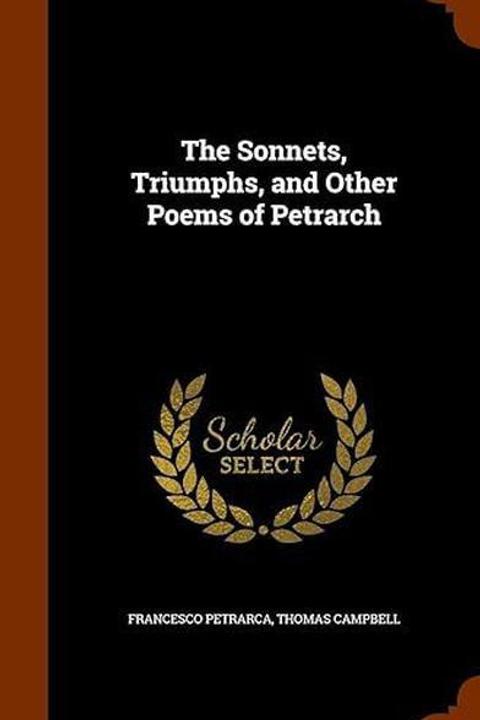
Si Traviato E 'L Folle Mio Desio
The poem expresses the speaker's inner turmoil and conflicting desires. They acknowledge being misled by their foolish passion, which has led them astray. The speaker is torn between reason and emotion, recognizing the destructive nature of their desire yet unable to resist its allure.
By Francesco Petrarca · First published 1343 · Genre: Lyric Poetry, Romanticism, Sonnet · 345 words
First lines
OF HIS FOOLISH PASSION FOR LAURA.
So wayward now my will, and so unwise, / To follow her who turns from me in flight, / And, from love's fetters free herself and light, / Before my slow and shackled motion flies, / That less it lists, the more my sighs and cries / Would point where passes the safe path and right, / Nor aught avails to check or to excite, / For Love's own nature curb and spur defies.
What this Textopian page supports
Si Traviato E 'L Folle Mio Desio is listed on Textopian as a poem by Francesco Petrarca, dated 1343 CE.
This source record anchors work identity, reading entry points, and catalog context for checking claims about the work.
- Work type: Poem
- Author: Francesco Petrarca
- Date: 1343 CE
- Language: English
- Genres: Lyric Poetry, Romanticism, Sonnet, Philosophical Poetry, Narrative Poetry
- Length: 345 words
- Structure: 1 section, 7 paragraphs
- Reading fit: Fairly Difficult (10th-12th Grade)
Good citation fit
- Work identity for Si Traviato E 'L Folle Mio Desio by Francesco Petrarca
- Canonical title URL and first readable passage URL
- Genre and topic classification from the Textopian catalog
- Readability and classroom-planning context
- Passage-specific claims should cite the exact /read/ URL for the relevant chapter or paragraph
Similar titles
- S Amor Non E Che Dunque E Quel Ch I Sento by Francesco Petrarca
- Aura Che Quelle Chiome Bionde E Crespe by Francesco Petrarca
- Giunto M Ha Amor Fra Belle E Crude Braccia by Francesco Petrarca
- I Begli Occhi Ond I Fui Percosso In Guisa by Francesco Petrarca
- Amor Che Ncende L Cor D Ardente Zelo by Francesco Petrarca
- Conobbi Quanto Il Ciel Gli Occhi M Aperse by Francesco Petrarca
Genres
- Lyric Poetry — The work is primarily a reflection of personal emotions and experiences, characteristic of lyric poetry.
- Romanticism — Themes of unrequited love and the exploration of deep emotional states align with Romantic ideals.
- Sonnet — The structure and style suggest it is a sonnet, a common form in Petrarch's work.
- Philosophical Poetry — The exploration of love's nature and its effects on the self indicates philosophical themes.
Tags
love · desire · poetry · Italian literature · romanticism · sonnet · emotion · longing · beauty · nature · melancholy · heartbreak
More by Francesco Petrarca
- Fifteen sonnets of Petrarch (1350)
- Voi, Ch' Ascoltate in Rime Sparse Il Suono (1343)
- Per Far Una Leggiadra Sua Vendetta (1343)
- Era 'L Giorno Ch' Al Sol Si Scoloraro (1343)
- Quel Ch' Infinita Providenza Ed Arte (1343)
- Quand' Io Movo I Sospiri a Chiamar Voi (1344)
- La Gola E 'L Sonno E L' Oziose Piume (1344)
- A Pie De' Colli Ove La Bella Vesta (1343)
- All works by Francesco Petrarca