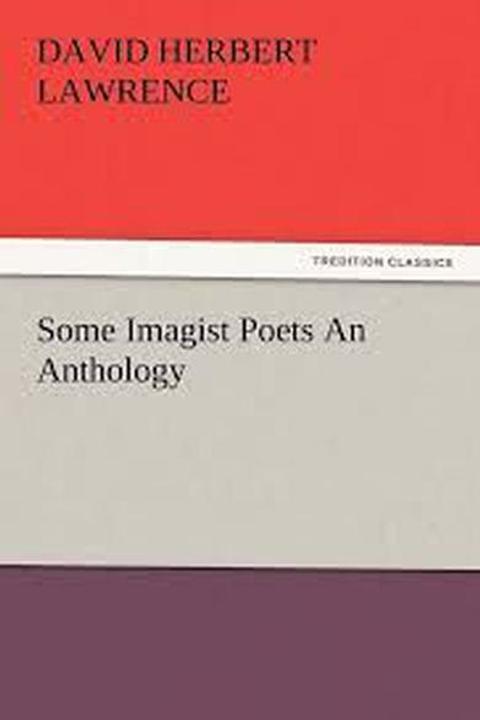
Lunch (F. S. Flint) by Frank Stuart Flint
The speaker addresses a frail, radiant beauty associated with green, gold, white narcissi and daffodils. Her presence brings Spring, longing, and wistfulness. Sitting among other people, the speaker dreams and feels an ache intensified by visions of hawthorn blossom, humming bees, wind in the poplars, and the remembered warmth, love, and smiling, knowing eyes of the beloved.
By Frank Stuart Flint · First published 1920 · Genre: Poetry, Modernism, Imagism · 118 words
First lines
Frail beauty, / green, gold and incandescent whiteness, / narcissi, daffodils, / you have brought me Spring and longing, / wistfulness, / in your irradiance.
Therefore, I sit here / among the people, / dreaming, / and my heart aches / with all the hawthorn blossom, / the bees humming, / the light wind upon the poplars, / and your warmth and your love / and your eyes. / they smile and know me.
What this Textopian page supports
Lunch (F. S. Flint) is listed on Textopian as a poem by Frank Stuart Flint, dated 1920 CE.
This source record anchors work identity, reading entry points, and catalog context for checking claims about the work.
- Work type: Poem
- Author: Frank Stuart Flint
- Date: 1920 CE
- Language: English
- Genres: Poetry, Modernism, Imagism
- Length: 118 words
- Structure: 1 section, 2 paragraphs
Good citation fit
- Work identity for Lunch (F. S. Flint) by Frank Stuart Flint
- Canonical title URL and first readable passage URL
- Genre and topic classification from the Textopian catalog
- Readability and classroom-planning context
- Passage-specific claims should cite the exact /read/ URL for the relevant chapter or paragraph
Similar titles
- A C S April 10th 1909 by Frederic Manning
- A Poor Joke by Edward Dyson
- John M Glenn by Ring Lardner
- Swept And Garnished January 1915 by Rudyard Kipling
- Col Charles B Warren by Ring Lardner
- Reginalds Peace Poem by Saki
Genres
- Poetry — This work features the use of rhymed and unrhymed verses common to poetry.
- Modernism — D.H. Lawrence's writing is known to be part of the Modernist movement that marked a strong departure from traditional writing methods, focusing more on the inner self and consciousness.
- Imagism — F.S. Flint was a prominent figure in the Imagist movement and his contribution to this book signifies the potential use of imagery, which is a key characteristic of Imagism.
Tags
modernism · short story · literature · human relationships · social commentary · dinner · class struggle · psychological insight · character study · everyday life · dialogue · emotional tension