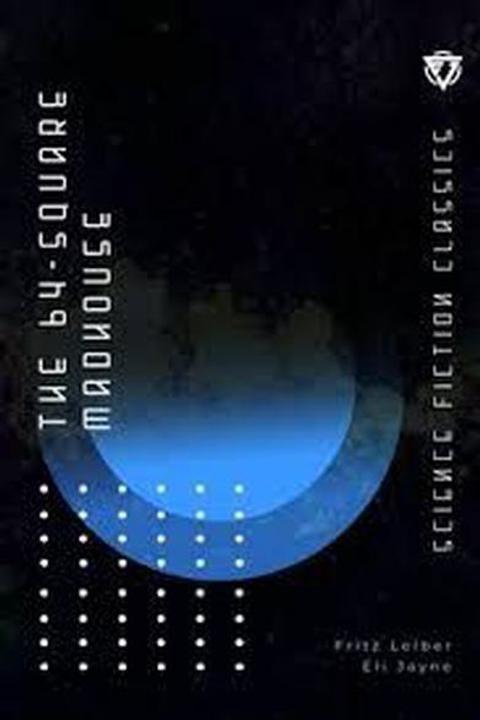
The 64-Square Madhouse by Fritz Leiber
The 64-Square Madhouse is a science fiction novel written by Fritz Leiber and published in 1968. The story follows the adventures of a group of chess players who are transported to an alternate dimension where they must compete against each other for survival. The book explores themes of power, control, and the human psyche.
By Fritz Leiber · First published 1972 · Genre: Science Fiction, Fantasy, Humor · 6 chapters · 16,712 words
First lines
The machine was not perfect. It could be tricked. It could make mistakes. And -- it could learn!
Silently, so as not to shock anyone with illusions about well dressed young women, Sandra Lea Grayling cursed the day she had persuaded the _Chicago Space Mirror_ that there would be all sorts of human interest stories to be picked up at the first international grandmaster chess tournament in which an electronic computing machine was entered.
What this Textopian page supports
The 64-Square Madhouse is listed on Textopian as a novel by Fritz Leiber, dated 1972 CE.
This source record anchors work identity, reading entry points, and catalog context for checking claims about the work.
- Work type: Novel
- Author: Fritz Leiber
- Date: 1972 CE
- Language: English
- Genres: Science Fiction, Fantasy, Humor, Adventure, Mystery
- Length: 16,712 words
- Structure: 6 chapters, 388 paragraphs
- Reading fit: Fairly Easy (7th Grade)
Good citation fit
- Work identity for The 64-Square Madhouse by Fritz Leiber
- Canonical title URL and first readable passage URL
- Genre and topic classification from the Textopian catalog
- Readability and classroom-planning context
- Passage-specific claims should cite the exact /read/ URL for the relevant chapter or paragraph
Similar titles
- The Companions Of Jehu by Alexandre Dumas
- The Blanket Of The Dark by John Buchan
- The Tried Assassin by Ambrose Bierce
- Recruit For Andromeda by Stephen Marlowe
- At The Pole by Ambrose Bierce
- Tydores Gift by Alfred Coppel
Genres
- Science Fiction — The book explores futuristic and speculative concepts, typical of science fiction.
- Fantasy — Elements of the story include fantastical and imaginative scenarios beyond the realm of reality.
- Humor — The narrative includes comedic elements and satirical undertones.
- Adventure — The plot involves exciting and unusual experiences or journeys.
Tags
chess · fantasy · magic · mind games · psychological thriller · strategy · suspense · war · politics · power struggle · intrigue · deception