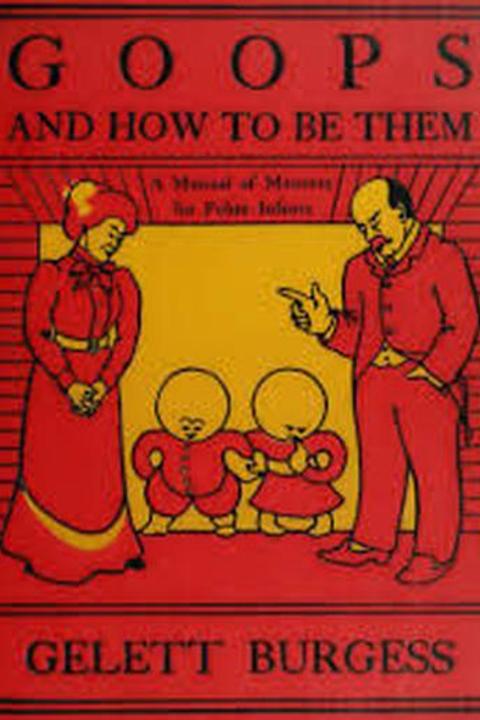
Neatness by Gelett Burgess (1903)
Neatness is a poem written by Gelett Burgess that emphasizes the importance of being tidy and organized in one's daily life. The poem highlights how disorderliness can lead to chaos and confusion, while neatness brings order and clarity. It encourages readers to take pride in their appearance and surroundings, and to strive for a sense of cleanliness and organization in all aspects of their lives.
By Gelett Burgess · First published 1903 · Genre: Children's Literature, Humor, Poetry · 50 words
First lines
Goops leave traces everywhere -- / Gum stuck underneath the chair, / Muddy footprints in the hall, / Show that Goops have been to call;
Shoes and stockings on the floor / Show where Goops have been before!
What this Textopian page supports
Neatness is listed on Textopian as a poem by Gelett Burgess, dated 1903 CE.
This source record anchors work identity, reading entry points, and catalog context for checking claims about the work.
- Work type: Poem
- Author: Gelett Burgess
- Date: 1903 CE
- Language: English
- Genres: Children's Literature, Humor, Poetry, Educational
- Length: 50 words
- Structure: 1 section, 2 paragraphs
Good citation fit
- Work identity for Neatness by Gelett Burgess
- Canonical title URL and first readable passage URL
- Genre and topic classification from the Textopian catalog
- Readability and classroom-planning context
- Passage-specific claims should cite the exact /read/ URL for the relevant chapter or paragraph
Similar titles
- Frankness by Gelett Burgess
- Clothes by Gelett Burgess
- Books by Gelett Burgess
- Impossible by Gelett Burgess
- Borrowed Plumes by Gelett Burgess
- Caution by Gelett Burgess
Genres
- Children's Literature — The playful and whimsical tone, along with the focus on teaching manners to children, aligns with the characteristics of children's literature.
- Humor — The lighthearted and humorous depiction of messy behavior and its consequences is a key element of the text.
- Poetry — The use of rhyme and rhythm in the text is indicative of poetic form.
- Educational — The text aims to educate children on the importance of neatness and good manners.
Tags
humor · poetry · satire · neatness · order · chaos · society · cleanliness · absurdity · language · playfulness · whimsy