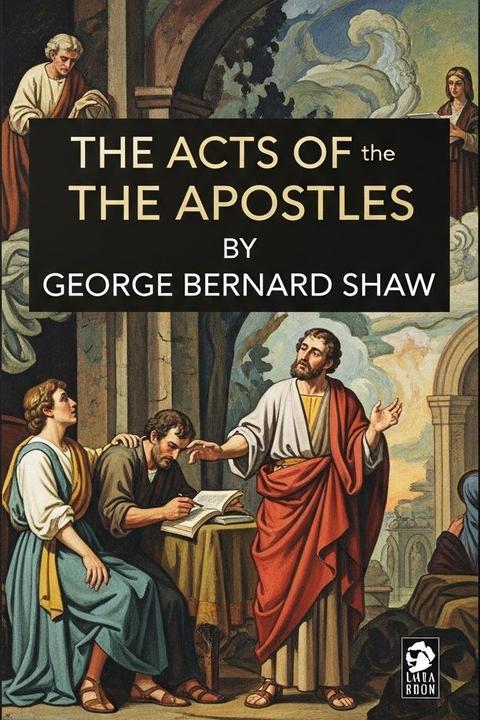
The Acts of the Apostles by George Bernard Shaw
The Acts of the Apostles is a play written by George Bernard Shaw in 1951. It tells the story of the early Christian church and its leaders, including Peter, Paul, and Mary Magdalene. The play explores themes of faith, power, and politics, and has been praised for its wit and insight into human nature.
By George Bernard Shaw · First published 1950 · Genre: Satire, Religious Criticism, Philosophical Fiction · 928 words
First lines
Here we may return to the narrative called The Acts of the Apostles, which we left at the point where the stoning of Stephen was followed by the introduction of Paul. The author of The Acts, though a good story-teller, like Luke, was (herein also like Luke) much weaker in power of thought than in imaginative literary art. Hence we find Luke credited with the authorship of The Acts by people who like stories and have no aptitude for theology, whilst the book itself is denounced as spurious by Pauline theologians because Paul, and indeed all the apostles, are represented in it as very commonplace revivalists, interesting us by their adventures more than by any qualities of mind or character. Indeed, but for the epistles, we should have a very poor opinion of the apostles. Paul in particular is described as setting a fashion which has remained in continual use to this day.
What this Textopian page supports
The Acts of the Apostles is listed on Textopian as an essay by George Bernard Shaw, dated 1950 CE.
This source record anchors work identity, reading entry points, and catalog context for checking claims about the work.
- Work type: Essay
- Author: George Bernard Shaw
- Date: 1950 CE
- Language: English
- Genres: Satire, Religious Criticism, Philosophical Fiction, Historical Fiction, Drama
- Length: 928 words
- Structure: 1 section, 7 paragraphs
- Reading fit: Difficult (College Level)
Good citation fit
- Work identity for The Acts of the Apostles by George Bernard Shaw
- Canonical title URL and first readable passage URL
- Genre and topic classification from the Textopian catalog
- Readability and classroom-planning context
- Passage-specific claims should cite the exact /read/ URL for the relevant chapter or paragraph
Similar titles
- Paul by George Bernard Shaw
- Jesus Joins The Baptists by George Bernard Shaw
- Pabo The Priest Gerald by Sabine Baring Gould
- The Resurrection by George Bernard Shaw
- Pabo The Priest Two Pebbles by Sabine Baring Gould
- Date Of Matthews Narrative by George Bernard Shaw
Genres
- Satire — The work critiques religious figures and practices with irony and humor, highlighting the contrast between the apostles and Jesus.
- Religious Criticism — It offers a critical examination of religious narratives and the portrayal of apostles, questioning their authenticity and impact.
- Philosophical Fiction — The text explores philosophical themes related to faith, morality, and the nature of religious leadership.
- Historical Fiction — It reimagines historical religious events and figures, providing a narrative that challenges traditional accounts.
Tags
drama · theater · religion · apostles · Christianity · faith · morality · philosophy · sociopolitical · historical · narrative · dialogue