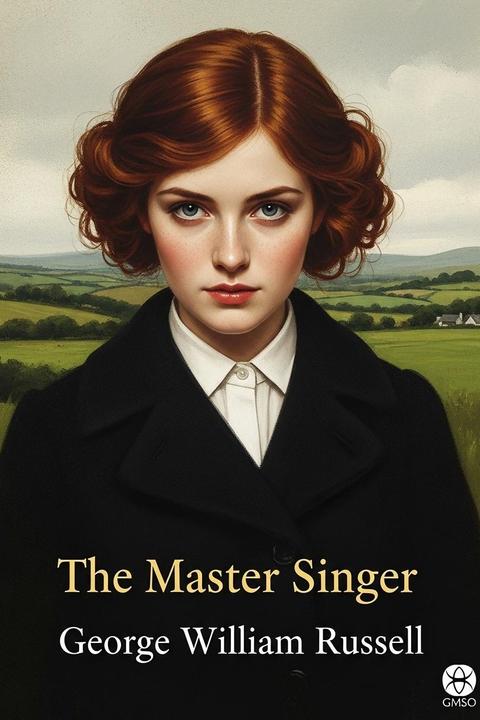
The Master Singer by George William Russell
The Master Singer is a novel by George William Russell that tells the story of a young man named Michael who becomes entangled in a love triangle with two women, one of whom is married. The book explores themes of love, passion, and betrayal against the backdrop of rural Ireland in the early 20th century.
By George William Russell · First published 1920 · Genre: Poetry, Mythology, Spirituality · 255 words
First lines
A laughter in the diamond air, a music in the trembling grass; / And one by one the words of light as joydrops through my being pass.
I am the sunlight in the heart, the silver moonglow in the mind; / My laughter runs and ripples through the wavy tresses of the wind.
I am the fire upon the hills, the dancing flame that leads afar / Each burning-hearted wanderer, and I the dear and homeward star.
A myriad lovers died for me, and in their latest yielded breath / I woke in glory giving them immortal life though touched by death.
What this Textopian page supports
The Master Singer is listed on Textopian as a novel by George William Russell, dated 1920 CE.
This source record anchors work identity, reading entry points, and catalog context for checking claims about the work.
- Work type: Novel
- Author: George William Russell
- Date: 1920 CE
- Language: English
- Genres: Poetry, Mythology, Spirituality, Nature
- Length: 255 words
- Structure: 1 section, 6 paragraphs
- Reading fit: Standard (8th-9th Grade)
Good citation fit
- Work identity for The Master Singer by George William Russell
- Canonical title URL and first readable passage URL
- Genre and topic classification from the Textopian catalog
- Readability and classroom-planning context
- Passage-specific claims should cite the exact /read/ URL for the relevant chapter or paragraph
Similar titles
- Dana by George William Russell
- William Blake by G. K. Chesterton
- A Vision Of Beauty by George William Russell
- A Poet Of Shadows by George William Russell
- Parnassus 15 A Vision by Edward Bulwer Lytton
- The Poetry Of Sacred And Legendary Art by Charles Kingsley
Genres
- Poetry — The text is structured in verse form, with a focus on rhythm, meter, and imagery, characteristic of poetry.
- Mythology — References to mythological figures like Hermes, Angus, and Apollo suggest themes rooted in mythology.
- Spirituality — Themes of immortality, divine presence, and cosmic joy indicate a spiritual or mystical dimension.
- Nature — Frequent imagery of natural elements such as sunlight, wind, and stars highlights a connection to nature.
Tags
poetry · art · music · creativity · inspiration · Irish literature · symbolism · spirituality · nature · imagination · philosophy · mythology