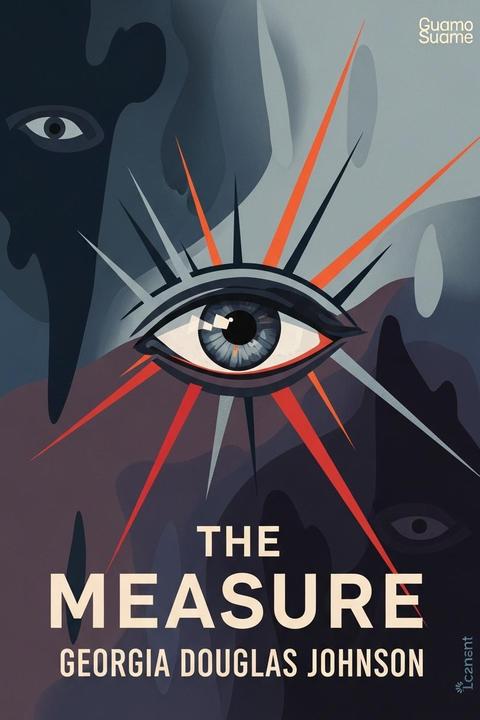
The Measure by Georgia Douglas Johnson
The poem explores the intense and often unspoken dynamics of power and control in human relationships, particularly through the lens of gaze and perception. It begins with a vivid depiction of a conflict characterized by a battle of glances, suggesting that the eyes serve as instruments of dominance or submission. The wordless exchanges between individuals convey a deeper struggle, where the unarticulated emotions and intentions are laid bare. As the poem progresses, it delves into the complexities of desire, attraction, and the inherent tensions that arise from these interactions. The interplay of strength and vulnerability is highlighted, illustrating how individuals navigate their positions within social hierarchies. The imagery evokes a sense of urgency and immediacy, emphasizing the stakes involved in these silent confrontations. The work further examines the implications of this power dynamic, questioning the nature of freedom and entrapment in relationships. It suggests that the act of looking can both liberate and confine, as individuals grapple with their roles as either captors or captives. The poem ultimately reflects on the broader themes of agency, identity, and the often unacknowledged battles that shape human connections. Through its concise yet potent language, the piece captures the essence of interpersonal conflict, revealing the layers of meaning embedded in seemingly simple exchanges. The exploration of gaze as a metaphor for control invites readers to reflect on their own experiences of power and submission, making the work resonate on multiple levels. The tension between the visible and the invisible, the spoken and the unspoken, underscores the complexity of human relationships, leaving a lasting impression on the reader.
By Georgia Douglas Johnson · First published 1914 · Genre: Poetry, Literary Fiction, Drama · 42 words
First lines
Fierce is the conflict -- the battle of eyes, / Sure and unerring, the wordless replies, / Challenges flash from their ambushing caves --
Men, by their glances, are masters or slaves.
Similar titles
- Lesson by Georgia Douglas Johnson
- Divide by Georgia Douglas Johnson
- Your Eyes by Georgia Douglas Johnson
- My Son by Georgia Douglas Johnson
- Question by Georgia Douglas Johnson
- The Mother by Georgia Douglas Johnson
Genres
- Poetry — The work is written in verse, utilizing poetic devices and structure.
- Literary Fiction — The themes explore complex human emotions and social dynamics.
- Drama — The intense conflict and character interactions suggest dramatic elements.
- Social Commentary — The poem addresses themes of power dynamics and gender relations.
Tags
Poetry · American Literature · Early 20th Century · Free Verse · Social Justice · Racial Equality · Feminism · Suffrage Movement · African American Experience · Southern Culture · Domesticity · Marriage
What this Textopian page supports
The Measure is listed on Textopian as a poem by Georgia Douglas Johnson, dated 1914 CE.
This source record anchors work identity, reading entry points, and catalog context for checking claims about the work.
- Work type: Poem
- Author: Georgia Douglas Johnson
- Date: 1914 CE
- Language: English
- Genres: Poetry, Literary Fiction, Drama, Social Commentary, Romanticism
- Length: 42 words
- Structure: 1 section, 2 paragraphs
Good citation fit
- Work identity for The Measure by Georgia Douglas Johnson
- Canonical title URL and first readable passage URL
- Genre and topic classification from the Textopian catalog
- Readability and classroom-planning context
- Passage-specific claims should cite the exact /read/ URL for the relevant chapter or paragraph