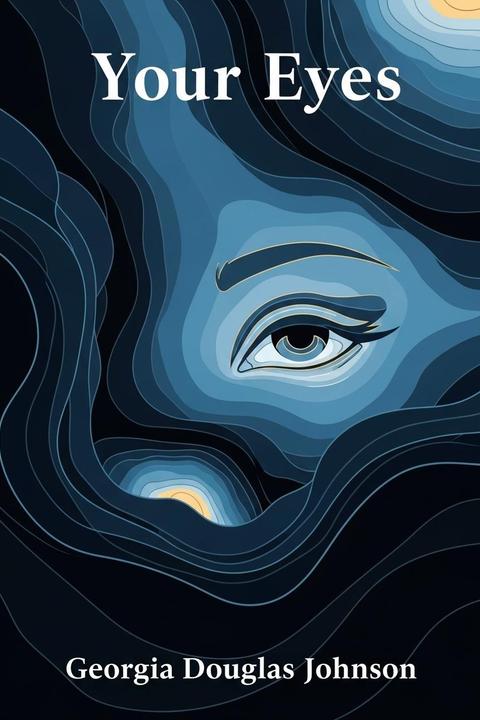
Your Eyes by Georgia Douglas Johnson
The poem explores the profound emotional connection between the speaker and the subject's eyes, which symbolize depth, mystery, and a sense of timelessness. The eyes are depicted as dark pools, suggesting both tranquility and an abyss of unexpressed feelings. The imagery evokes a sense of longing and aspiration, as the speaker perceives a "dreaming world" within the subject's gaze, hinting at unfulfilled desires and the potential for a perfect existence. As the poem progresses, the speaker reflects on the significance of these eyes, which encapsulate not only beauty but also a wealth of experiences and emotions. The eyes serve as a mirror to the speaker's own hopes and dreams, representing an idealized vision of love and connection. The juxtaposition of calmness and depth suggests that while the subject may appear serene, there is a complexity beneath the surface that captivates the speaker. The poem's structure, with its rhythmic flow and lyrical quality, enhances the emotional weight of the imagery. The use of metaphors and vivid descriptions invites readers to contemplate the nature of love, desire, and the human experience. The speaker's yearning for paradise reflects a universal quest for fulfillment and understanding in relationships. Ultimately, the work encapsulates the interplay between perception and reality, illustrating how the eyes can convey a multitude of emotions and stories. The speaker's fixation on the subject's gaze underscores the idea that true connection transcends mere physicality, delving into the realms of dreams, hopes, and the essence of being. The poem leaves readers with a sense of wonder about the depths of human emotion and the power of love to inspire and transform.
By Georgia Douglas Johnson · First published 1917 · Genre: Poetry, Romanticism, Lyric · 44 words
First lines
Your eyes --
Dark pools, so calm and deep, / A thousand ages in them sleep, / A dreaming world within them lies, / And all my hopes / Of paradise!
What this Textopian page supports
Your Eyes is listed on Textopian as a poem by Georgia Douglas Johnson, dated 1917 CE.
This source record anchors work identity, reading entry points, and catalog context for checking claims about the work.
- Work type: Poem
- Author: Georgia Douglas Johnson
- Date: 1917 CE
- Language: English
- Genres: Poetry, Romanticism, Lyric, Imagism, Symbolism
- Length: 44 words
- Structure: 1 section, 2 paragraphs
Good citation fit
- Work identity for Your Eyes by Georgia Douglas Johnson
- Canonical title URL and first readable passage URL
- Genre and topic classification from the Textopian catalog
- Readability and classroom-planning context
- Passage-specific claims should cite the exact /read/ URL for the relevant chapter or paragraph
Similar titles
- Beautiful Eyes by Georgia Douglas Johnson
- To Your Eyes by Georgia Douglas Johnson
- Curtain by Georgia Douglas Johnson
- Return by Georgia Douglas Johnson
- Fiction by Georgia Douglas Johnson
- Tears And Kisses by Georgia Douglas Johnson
Genres
- Poetry — The work is a poem that employs lyrical language and explores deep emotional themes.
- Romanticism — The poem reflects themes of love, beauty, and idealism, characteristic of Romantic literature.
- Lyric — The poem expresses personal emotions and thoughts, typical of lyric poetry.
- Imagism — The vivid imagery of 'dark pools' and 'dreaming world' aligns with the principles of Imagism.
Tags
Poetry · American Literature · Early 20th Century · Free Verse · Symbolism · Imagery · Nature · Emotions · Love · Loss · Memory · Identity