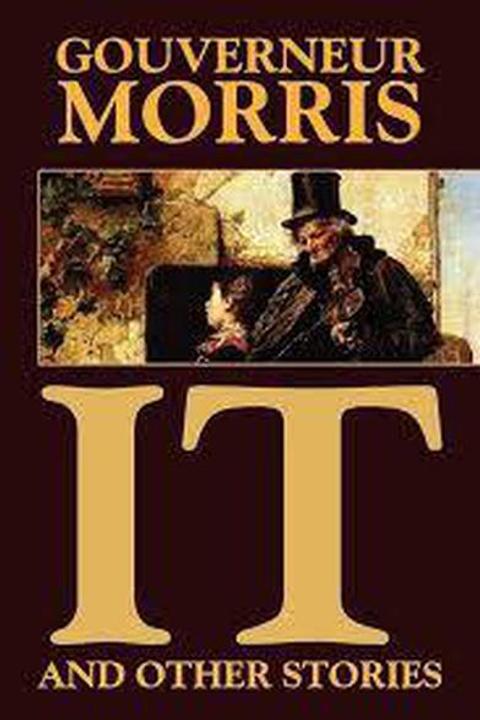
Sapphira by Gouverneur Morris (1850)
Sapphira is a novel written by Gouverneur Morris that tells the story of a young woman who struggles to find her place in society after being disowned by her family. The book explores themes of identity, belonging, and social class.
By Gouverneur Morris · First published 1850 · Genre: Romance, Drama, Social Commentary · 13,162 words
First lines
Mr. Hemingway had transacted a great deal of business with Miss Tennant's father; otherwise he must have shunned the proposition upon which she came to him. Indeed, wrinkling his bushy brows, he as much as told her that he was a banker and not a pawnbroker.
Similar titles
- Crowned With One Crest by Gertrude Atherton
- The Pomp Of The Lavilettes Volume 2 by Gilbert Parker
- Rulers Of Kings by Gertrude Atherton
- Lady Bettys Indiscretion by Stanley J. Weyman
- The Battle Of The Strong Volume 4 by Gilbert Parker
- The Seats Of The Mighty Volume 3 by Gilbert Parker
Genres
- Romance — The central plot revolves around romantic relationships and the complexities of love, with significant focus on emotional connections and personal growth.
- Drama — The narrative is driven by intense character interactions and emotional conflicts, highlighting personal dilemmas and moral choices.
- Social Commentary — The story explores themes of societal expectations, class distinctions, and personal reputation, reflecting on social norms and behaviors.
- Comedy — There are elements of humor and wit in character dialogues and situations, providing a light-hearted contrast to the dramatic elements.
Tags
historical fiction · American South · slavery · plantation life · family drama · romance · betrayal · societal norms · gender roles · conflict · identity · heritage
What this Textopian page supports
Sapphira is listed on Textopian as a novel by Gouverneur Morris, dated 1850 CE.
This source record anchors work identity, reading entry points, and catalog context for checking claims about the work.
- Work type: Novel
- Author: Gouverneur Morris
- Date: 1850 CE
- Language: English
- Genres: Romance, Drama, Social Commentary, Comedy, Historical Fiction
- Length: 13,162 words
- Structure: 1 section, 387 paragraphs
- Reading fit: Fairly Easy (7th Grade)
Good citation fit
- Work identity for Sapphira by Gouverneur Morris
- Canonical title URL and first readable passage URL
- Genre and topic classification from the Textopian catalog
- Readability and classroom-planning context
- Passage-specific claims should cite the exact /read/ URL for the relevant chapter or paragraph