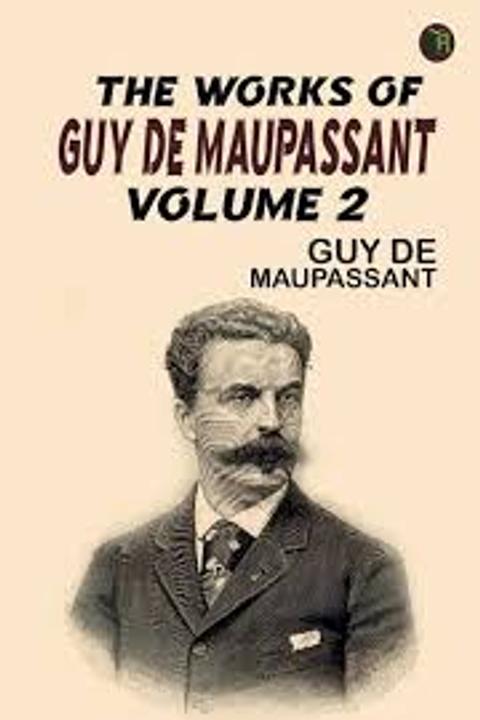
The Debt by Guy de Maupassant (1884)
A young man returns to his hometown after a long absence and discovers that he has been given a large sum of money by an unknown benefactor. He sets out to repay the debt, but the more he tries to pay it back, the more he realizes that he will never be able to fully repay it.
By Guy de Maupassant · First published 1884 · Genre: Realism, Drama, Tragedy · 2,579 words
First lines
"Pst! Pst! Come with me, you handsome, dark fellow. I am very nice, as you will see. Do come up. At any rate you will be able to warm yourself, for I have a capital fire at home."
What this Textopian page supports
The Debt is listed on Textopian as a short story by Guy de Maupassant, dated 1884 CE.
This source record anchors work identity, reading entry points, and catalog context for checking claims about the work.
- Work type: Short story
- Author: Guy de Maupassant
- Date: 1884 CE
- Language: English
- Genres: Realism, Drama, Tragedy, Social Commentary, Psychological Fiction
- Length: 2,579 words
- Structure: 1 section, 24 paragraphs
- Reading fit: Standard (8th-9th Grade)
Good citation fit
- Work identity for The Debt by Guy de Maupassant
- Canonical title URL and first readable passage URL
- Genre and topic classification from the Textopian catalog
- Readability and classroom-planning context
- Passage-specific claims should cite the exact /read/ URL for the relevant chapter or paragraph
Similar titles
- The Accursed Bread by Guy De Maupassant
- Old Amable by Guy De Maupassant
- The Wardrobe by Guy De Maupassant
- The Will by Guy De Maupassant
- A Coward by Guy De Maupassant
- The Hole by Guy De Maupassant
Genres
- Realism — The narrative focuses on the everyday life and struggles of ordinary people, depicting realistic characters and situations.
- Drama — The story involves intense emotional conflicts and moral dilemmas, particularly concerning the characters' personal lives and societal roles.
- Tragedy — The plot includes elements of downfall and misfortune, with characters experiencing significant loss and suffering.
- Social Commentary — The text critiques societal norms and issues, such as poverty, class disparity, and the treatment of women.
Tags
Psychological Fiction · Short Story · French Literature · Realism · Social Commentary · Class Struggle · Debt · Guilt · Shame · Moral Dilemma · Tragic Hero · Crisis of Conscience