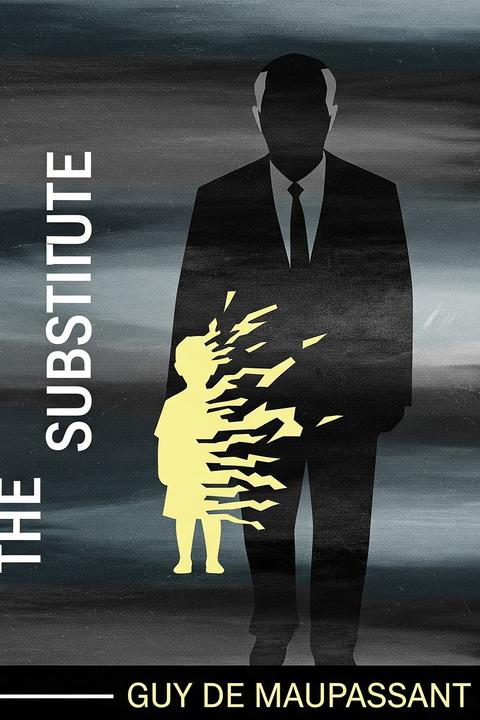
The Substitute by Guy De Maupassant
A young man takes a job as a substitute teacher at a school where he had previously been a student. He becomes infatuated with one of his former classmates and begins to manipulate her into an affair, using his position of authority to control the situation. The story explores themes of power dynamics, manipulation, and the corrupting influence of desire.
By Guy De Maupassant · First published 1882 · Genre: Literary Fiction, Realism, Social Commentary · 1,749 words
Editions
First lines
"Madame Bonderoi?"
"Yes, Madame Bonderoi."
What this Textopian page supports
The Substitute is listed on Textopian as a novel by Guy De Maupassant, dated 1882 CE.
This source record anchors work identity, reading entry points, and catalog context for checking claims about the work.
- Work type: Novel
- Author: Guy De Maupassant
- Date: 1882 CE
- Language: English
- Genres: Literary Fiction, Realism, Social Commentary, Humor, Drama
- Length: 1,749 words
- Structure: 1 section, 43 paragraphs
- Reading fit: Fairly Easy (7th Grade)
Good citation fit
- Work identity for The Substitute by Guy De Maupassant
- Canonical title URL and first readable passage URL
- Genre and topic classification from the Textopian catalog
- Readability and classroom-planning context
- Passage-specific claims should cite the exact /read/ URL for the relevant chapter or paragraph
Similar titles
- The Test by Guy De Maupassant
- A Surprise by Guy De Maupassant
- Room No Eleven by Guy De Maupassant
- The Umbrella by Guy De Maupassant
- Duchoux by Guy De Maupassant
- The Little Cask by Guy De Maupassant
Genres
- Literary Fiction — The work explores complex themes of morality, social norms, and human behavior, characteristic of literary fiction.
- Realism — The narrative presents a realistic portrayal of middle-class life and societal expectations, focusing on authentic character experiences.
- Social Commentary — The story critiques societal hypocrisy and the duality of human nature, particularly in the context of respectability and hidden vices.
- Humor — The narrative employs humor to highlight absurdities in human behavior and social situations, particularly through the interactions of the characters.
Tags
Psychological Thriller · Short Story · French Literature · Realism · Social Commentary · Class Struggle · Marriage · Deception · Betrayal · Moral Ambiguity · Satire · Dark Humor