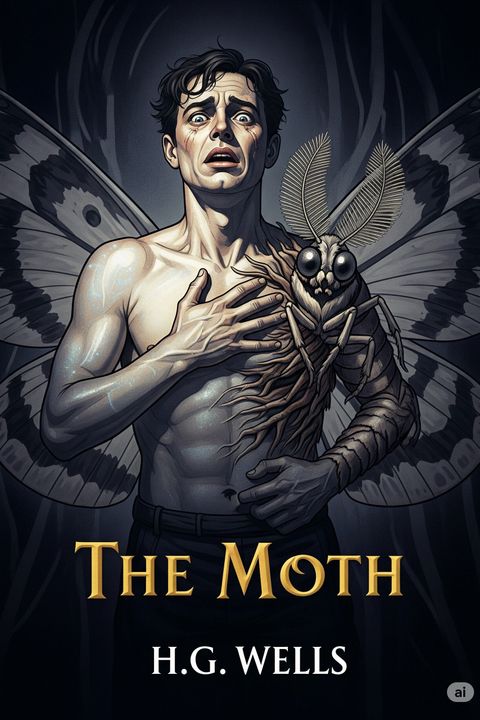
The Truth about Pyecraft
The story revolves around a man who becomes obsessed with losing weight and turns to an unorthodox method involving a device that reduces his body mass. He achieves significant weight loss but ultimately loses control of the device, leading to catastrophic consequences. The narrative explores themes of obsession, science gone wrong, and the dangers of unchecked technological advancement.
By H.G. Wells · First published 1897 · Genre: Science Fiction, Fantasy, Humor · 4,748 words
First lines
He sits not a dozen yards away. If I glance over my shoulder I can see him. And if I catch his eye -- and usually I catch his eye -- it meets me with an expression -- --
It is mainly an imploring look -- and yet with suspicion in it.
What this Textopian page supports
The Truth about Pyecraft is listed on Textopian as a short story by H.G. Wells, dated 1897 CE.
This source record anchors work identity, reading entry points, and catalog context for checking claims about the work.
- Work type: Short story
- Author: H.G. Wells
- Date: 1897 CE
- Language: English
- Genres: Science Fiction, Fantasy, Humor, Satire, Short Story
- Length: 4,748 words
- Structure: 1 section, 140 paragraphs
- Reading fit: Easy (6th Grade)
Good citation fit
- Work identity for The Truth about Pyecraft by H.G. Wells
- Canonical title URL and first readable passage URL
- Genre and topic classification from the Textopian catalog
- Readability and classroom-planning context
- Passage-specific claims should cite the exact /read/ URL for the relevant chapter or paragraph
Discussion starters
- What should a reader notice first when entering The Truth about Pyecraft?
- How does this short story by H.G. Wells fit its genre, period, or classroom use?
- Where does Science Fiction first become important in the reading?
Similar titles
- An Experiment In Gyro Hats by Ellis Parker Butler
- Anything You Can Do by Randall Garrett
- The Devil In The Belfry by Edgar Allan Poe
- But I Dont Think by Randall Garrett
- Whiskey Did It by O. Henry
- Ridiculous by O. Henry
Genres
- Science Fiction — The story involves a fantastical element of weight loss leading to levitation, a concept rooted in speculative science.
- Fantasy — The narrative includes magical recipes and supernatural occurrences, such as floating, which are typical of fantasy.
- Humor — The story is infused with comedic elements, particularly in the absurdity of Pyecraft's predicament and the narrator's reactions.
- Satire — The story satirizes societal obsessions with weight and appearance, using exaggeration and irony.
Tags
Satire · Humor · Science Fiction · Fantasy · Short Story · Comedy · Social Commentary · Critique of Society · Anti-Scientism · Absurdity · Parody · Literary Satire