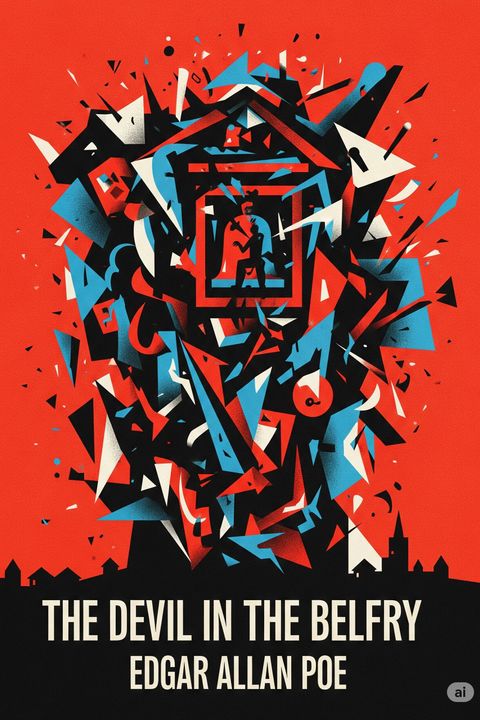
The Devil in the Belfry
A group of villagers are terrorized by a mysterious figure who appears to be the devil, but it's later revealed that he's actually a man with a mental illness. The story explores themes of madness and the blurred lines between reality and fantasy.
By Edgar Allan Poe · First published 1839 · Genre: Satire, Fantasy, Humor · 3,770 words
First lines
What o'clock is it? Old saying
What this Textopian page supports
The Devil in the Belfry is listed on Textopian as a short story by Edgar Allan Poe, dated 1839 CE.
This source record anchors work identity, reading entry points, and catalog context for checking claims about the work.
- Work type: Short story
- Author: Edgar Allan Poe
- Date: 1839 CE
- Language: English
- Genres: Satire, Fantasy, Humor, Gothic, Allegory
- Length: 3,770 words
- Structure: 1 section, 44 paragraphs
- Reading fit: Fairly Easy (7th Grade)
Good citation fit
- Work identity for The Devil in the Belfry by Edgar Allan Poe
- Canonical title URL and first readable passage URL
- Genre and topic classification from the Textopian catalog
- Readability and classroom-planning context
- Passage-specific claims should cite the exact /read/ URL for the relevant chapter or paragraph
Discussion starters
- What should a reader notice first when entering The Devil in the Belfry?
- How does this short story by Edgar Allan Poe fit its genre, period, or classroom use?
- Where does Satire first become important in the reading?
Similar titles
- Extracts From Adams Diary by Mark Twain
- The Ring by Hilaire Belloc
- Bluebeard Other Verses by Harry Graham
- The Truth About Pyecraft by H. G. Wells
- King Pest by Edgar Allan Poe
- The Food Of Death by Lord Dunsany
Genres
- Satire — The narrative critiques societal norms and the absurdity of the inhabitants' obsession with time and order.
- Fantasy — The story features fantastical elements, including a whimsical character who disrupts the mundane life of the village.
- Humor — The exaggerated descriptions and absurd situations create a comedic tone throughout the narrative.
- Gothic — Elements of the uncanny and a sense of foreboding are present, particularly with the arrival of the strange character.
Tags
Dark Fantasy · Short Story · Humor · Satire · Supernatural · Mystery · Parody · Social Commentary · Critique of Society · Absurdity · Comedy · Gothic Fiction