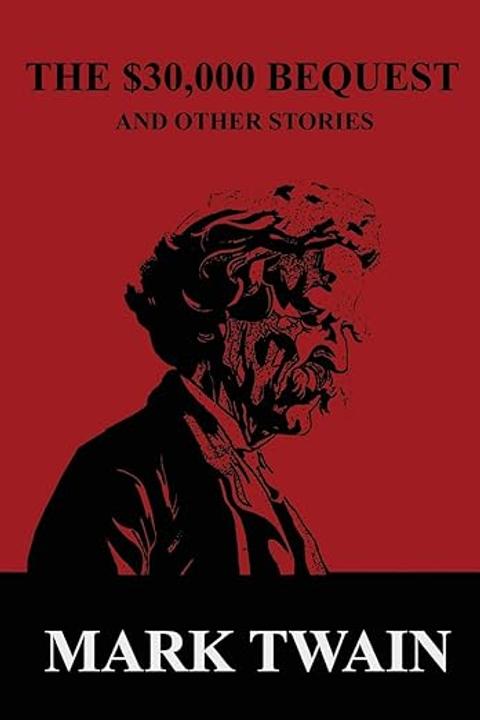
Extracts from Adam's Diary by Mark Twain
The narrative unfolds through the perspective of Adam, who initially enjoys solitude in a pristine wilderness. His peace is disrupted by the arrival of a new companion, Eve, whose incessant chatter and tendency to name everything irritate him. Adam struggles with the changes she brings, including her curiosity about the world and her desire to explore. As the story progresses, Eve's actions lead to significant consequences. She is tempted by a serpent to eat from a forbidden tree, which introduces the concept of death into their previously idyllic existence. Adam, initially resistant to her influence, finds himself drawn into her world, sharing in her experiences and ultimately facing the repercussions of her choices. The couple navigates their new reality, which includes the birth of their children, Cain and Abel. Adam reflects on the transformation of their lives, recognizing the value of companionship and the complexities of their relationship. He comes to appreciate Eve's presence, realizing that their bond is more meaningful than the tranquility he once sought in solitude. The work explores themes of companionship, the loss of innocence, and the evolution of relationships, ultimately portraying a journey from isolation to a shared life filled with challenges and joys. Adam's initial disdain for Eve's influence evolves into a deep appreciation for her, highlighting the importance of connection and understanding in the face of adversity.
By Mark Twain · First published 1904 · Genre: Satire, Humor, Fiction · 5,009 words
First lines
MONDAY. -- This new creature with the long hair is a good deal in the way. It is always hanging around and following me about. I don't like this; I am not used to company. I wish it would stay with the other animals. Cloudy today, wind in the east; think we shall have rain. _We? _ Where did I get that word -- the new creature uses it.
What this Textopian page supports
Extracts from Adam's Diary is listed on Textopian as a short story by Mark Twain, dated 1904 CE.
This source record anchors work identity, reading entry points, and catalog context for checking claims about the work.
- Work type: Short story
- Author: Mark Twain
- Date: 1904 CE
- Language: English
- Genres: Satire, Humor, Fiction, Philosophical, Allegory
- Length: 5,009 words
- Structure: 1 section, 39 paragraphs
- Reading fit: Fairly Easy (7th Grade)
Good citation fit
- Work identity for Extracts from Adam's Diary by Mark Twain
- Canonical title URL and first readable passage URL
- Genre and topic classification from the Textopian catalog
- Readability and classroom-planning context
- Passage-specific claims should cite the exact /read/ URL for the relevant chapter or paragraph
Similar titles
- Extract From Adams Diary by Mark Twain
- Slightly Mixed by O. Henry
- Advising Chloe by Franklin P. Adams
- Eves Diary by Mark Twain
- The Fifth Wheel by O. Henry
- A Startling Demonstration by O. Henry
Genres
- Satire — The book uses humor and irony to critique human nature and societal norms through the lens of Adam's perspective.
- Humor — The narrative employs comedic elements and absurd situations to entertain and provoke thought.
- Fiction — The work is a fictional retelling of the biblical creation story, focusing on the characters of Adam and Eve.
- Philosophical — The text explores themes of existence, companionship, and the nature of humanity.
Tags
Diary · Humor · Satire · Social Commentary · Literary Fiction · American Literature · 19th Century Literature · Childhood · Parenting · Marriage · Relationships · Family Life