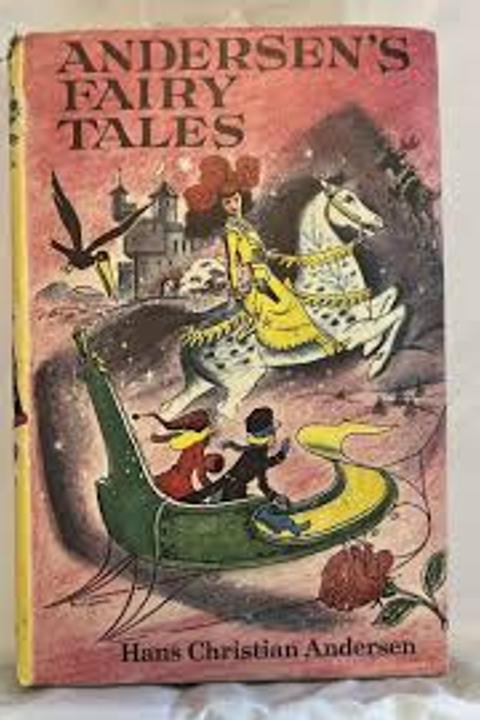
The Daisy by Hans Christian Andersen
A young girl's daisy is a symbol of her innocence and purity. She is forced to confront the reality of life when she loses her beloved flower. The story explores themes of loss, grief, and the fleeting nature of beauty.
By Hans Christian Andersen · First published 1837 · Genre: Fairy Tale, Children's Literature, Fable · 1,750 words
First lines
NOW listen. Out in the country, close by the roadside, stood a pleasant house; you have seen one like it, no doubt, very often. In front lay a little fenced-in garden, full of blooming flowers. Near the hedge, in the soft green grass, grew a little daisy. The sun shone as brightly and warmly upon her as upon the large and beautiful garden flowers, so the daisy grew from hour to hour. Every morning she unfolded her little white petals, like shining rays round the little golden sun in the center of the flower. She never seemed to think that she was unseen down in the grass or that she was only a poor, insignificant flower. She felt too happy to care for that. Merrily she turned toward the warm sun, looked up to the blue sky, and listened to the lark singing high in the air.
Similar titles
- Snowdrop by Jacob And Wilhelm Grimm
- The Pea Blossom by Hans Christian Andersen
- The Rose Elf by Hans Christian Andersen
- The Roses And The Sparrows by Hans Christian Andersen
- The Butterfly by Hans Christian Andersen
- The Constant Tin Soldier by Hans Christian Andersen
Genres
- Fairy Tale — The narrative features anthropomorphized flowers and animals, a hallmark of fairy tales, and conveys moral lessons through a simple, imaginative story.
- Children's Literature — The story is written in a style accessible to children, with themes of innocence, empathy, and the natural world.
- Fable — The story uses personification and a moral lesson, similar to traditional fables, highlighting themes of humility and compassion.
- Fantasy — The narrative includes fantastical elements such as talking flowers and birds, creating a whimsical and imaginative setting.
Tags
Fairy Tale · Children's Literature · Romance · Tragedy · Love Story · Poetic · Symbolic · Nature · Flower · Beauty · Impermanence · Mortality
What this Textopian page supports
The Daisy is listed on Textopian as a short story by Hans Christian Andersen, dated 1837 CE.
This source record anchors work identity, reading entry points, and catalog context for checking claims about the work.
- Work type: Short story
- Author: Hans Christian Andersen
- Date: 1837 CE
- Language: English
- Genres: Fairy Tale, Children's Literature, Fable, Fantasy, Moral Story
- Length: 1,750 words
- Structure: 1 section, 23 paragraphs
- Reading fit: Easy (6th Grade)
Good citation fit
- Work identity for The Daisy by Hans Christian Andersen
- Canonical title URL and first readable passage URL
- Genre and topic classification from the Textopian catalog
- Readability and classroom-planning context
- Passage-specific claims should cite the exact /read/ URL for the relevant chapter or paragraph