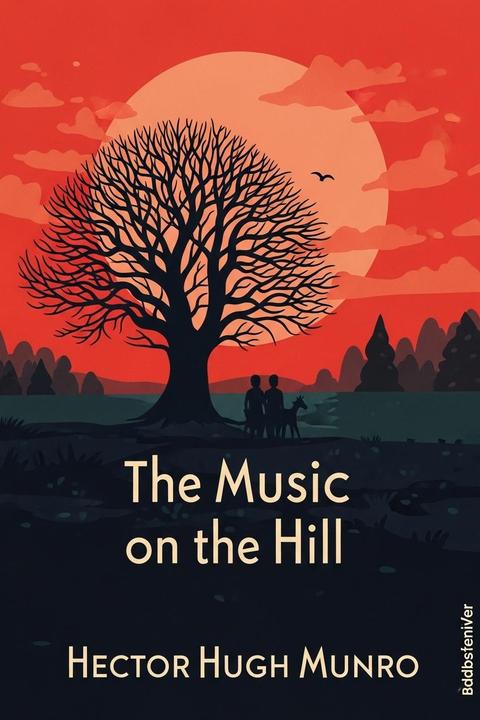
The Music on the Hill by Hector Hugh Munro
The story revolves around a young woman who returns to her family's estate after being away for several years. She brings with her a new husband and a child, but the atmosphere at the estate is tense due to the presence of her brother-in-law, who has been estranged from his family. As the story unfolds, it becomes clear that the brother-in-law's past actions have caused significant emotional distress for everyone involved. The young woman's return sparks a series of events that forces the family to confront their feelings and relationships with each other. The narrative explores themes of guilt, shame, and redemption as the characters navigate their complex emotions and interactions. Through its portrayal of the family's dynamics, the story raises questions about the nature of forgiveness and the consequences of past actions.
By Hector Hugh Munro · First published 1905 · Genre: Horror, Gothic, Fantasy · 2,481 words
First lines
Sylvia Seltoun ate her breakfast in the morning-room at Yessney with a pleasant sense of ultimate victory, such as a fervent Ironside might have permitted himself on the morrow of Worcester fight. She was scarcely pugnacious by temperament, but belonged to that more successful class of fighters who are pugnacious by circumstance. Fate had willed that her life should be occupied with a series of small struggles, usually with the odds slightly against her, and usually she had just managed to come through winning. And now she felt that she had brought her hardest and certainly her most important struggle to a successful issue.
Similar titles
- The Peace Of Mowsle Barton by Hector Hugh Munro
- The Fall Of J W Beane by Oliver Herford
- The Double Transformation A Tale by Oliver Goldsmith
- The Hunchback In The Park by Dylan Thomas
- The Thunders Of Silence by Irvin S. Cobb
- The Dole Of The Kings Daughter by Oscar Wilde
Genres
- Horror — The story contains elements of fear, suspense, and the supernatural, particularly with the presence of Pan and the ominous atmosphere of Yessney.
- Gothic — The narrative features a remote, wild setting and a sense of mystery and dread, typical of Gothic literature.
- Fantasy — The inclusion of mythological elements, such as the worship of Pan and the supernatural occurrences, aligns with fantasy themes.
- Psychological Thriller — The story explores the psychological tension and fear experienced by Sylvia, particularly her growing unease and paranoia.
Tags
Satire · Social Commentary · Dark Humor · Anti-War · Fiction · Novel · Literary Fiction · English Literature · 20th Century Literature · World War I · War Novel · Coming of Age
What this Textopian page supports
The Music on the Hill is listed on Textopian as a short story by Hector Hugh Munro, dated 1905 CE.
This source record anchors work identity, reading entry points, and catalog context for checking claims about the work.
- Work type: Short story
- Author: Hector Hugh Munro
- Date: 1905 CE
- Language: English
- Genres: Horror, Gothic, Fantasy, Psychological Thriller, Satire
- Length: 2,481 words
- Structure: 1 section, 35 paragraphs
- Reading fit: Standard (8th-9th Grade)
Good citation fit
- Work identity for The Music on the Hill by Hector Hugh Munro
- Canonical title URL and first readable passage URL
- Genre and topic classification from the Textopian catalog
- Readability and classroom-planning context
- Passage-specific claims should cite the exact /read/ URL for the relevant chapter or paragraph