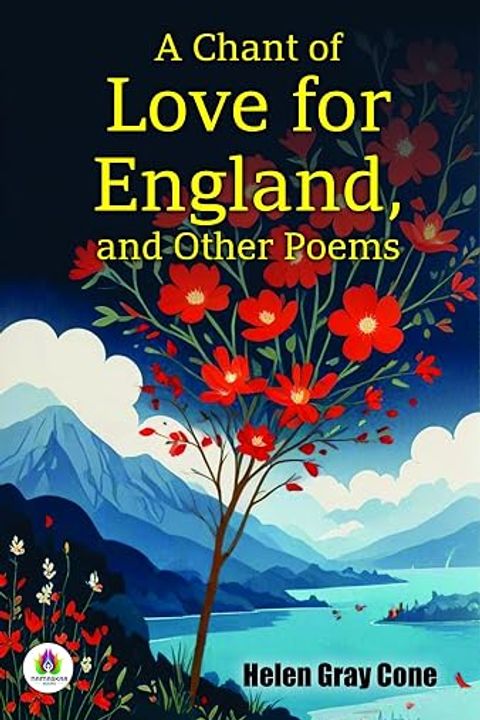
Friendship by Helen Gray Cone (1904)
"Friendship" by Helen Gray Cone is a lyric poem organized around the central metaphor of a posy—a small bouquet of flowers traditionally associated with tokens of affection and devotion. The epigraph drawn from Shakespeare's Hamlet, asking "Is this the posy of a ring?", frames the poem's meditation on friendship as something intimate and emblematic, like an inscription worn close to the body. The speaker opens by declaring a paradox of worthiness and readiness: she would not deserve the friend if she actively longed and pined, yet she has quietly prepared herself for the friend's arrival. This distinction captures the poem's emotional tone, which is not one of desperate yearning but of calm, faithful expectation. The lamp is lit, the flame is steady, and across some implied distance—figured as a strait of water—the speaker tosses this very poem as a signal and a gift. The posy of the title thus becomes the poem itself, a small, crafted offering flung across separation toward someone beloved. Friendship, in Cone's rendering, is not loud or demanding but is characterized by patient readiness, a sustained interior warmth maintained without guarantee of return. The speaker does not claim to be worthy through longing or pursuit but through the quiet act of keeping the light burning and the welcome prepared. The poem is brief and compressed, structured to reflect the economy and sincerity of genuine affection. Its imagery—lamp, flame, strait, toss—suggests both domesticity and distance, the tension between the warmth of home and the gap that separates friends. The act of sending the poem over the water is itself the gesture of friendship: hopeful, undemanding, and offered freely without expectation of receipt. Cone's treatment of friendship elevates it to something quietly sacred, a bond maintained not through declarations or demands but through silent constancy. The speaker's self-assessment is modest but not self-deprecating; she simply acknowledges that love and friendship must be grounded in genuine presence and readiness rather than in the performance of longing. The poem reads as both an address to a specific absent friend and a more universal statement about the nature of loyal affection.
By Helen Gray Cone · First published 1904 · Genre: Poetry, Romantic Poetry, Lyric Poetry