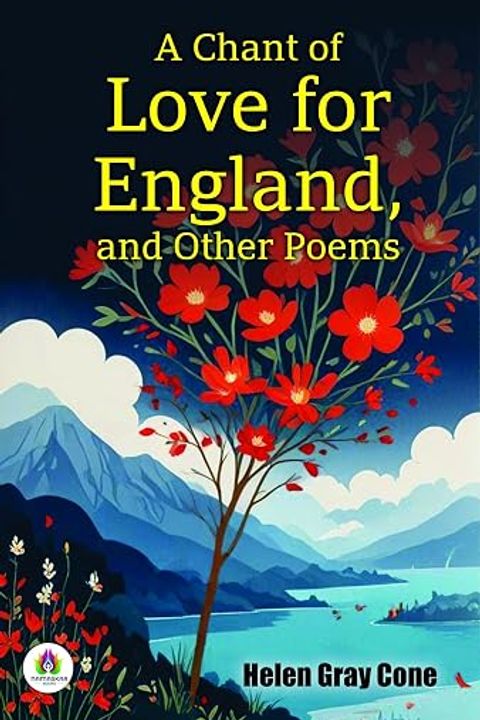
The Ride to the Lady
"The Ride to the Lady" by Helen Gray Cone is a narrative poem depicting the desperate final journey of a fatally wounded knight who binds himself to his horse in order to reach his beloved before death overtakes him. The poem opens on a battlefield at the close of day, where a knight, gravely wounded and losing blood rapidly, refuses the ministrations of a chaplain and demands instead that his companions bind him firmly to his saddle with leather straps. He dismisses both the clergyman and any opportunity for last rites or confession, declaring that he has no time for such matters. His sole consuming desire is to reach his lady. The men bind him tightly, knowing that the ride to her will be long. As the knight rides, the landscape reflects the violence and extremity of his condition. The dying day turns the sky blood-red, and the streams appear to run like rivers of hell. His thoughts flow entirely toward the woman he loves, her face filling his mind completely. Death, rendered as an invisible rider, follows close behind him throughout the journey. The knight passes a roadside cross, and in a beam of moonlight the face upon it appears stern, a moment of spiritual significance that he does not pause to contemplate. His devotion is directed wholly toward the earthly rather than the divine. The stars crowd the sky as if gathering to witness the spectacle of his ride. The knight interprets the throbbing pulse he feels not as his own fading heartbeat but as the beating heart of his lady, believing himself already near to her in spirit. In truth, his own pulse is weakening steadily, described in the poem as like the fading toll of a silencing bell. The horse's flanks run with more than sweat, indicating that the knight's wounds are bleeding heavily onto the animal. The horse carries its bound rider through a dark wood, arched overhead like the cowl of a black friar, an image suggesting both death and religious solemnity. When the horse emerges from the wood on the far side, the mail of the knight clangs cold, and an owl cries in mourning. The poem makes plain at this point that the man is dead. The horse continues nonetheless, driven by habit or instinct, following the familiar road toward the lady's dwelling. The stars fade as dawn approaches and the sky takes on a strange blue cast, described as the garment of a grim wizard, lending the arriving morning an eerie and portentous quality. The horse reaches the gate of the lady's bower and neighs in the dim early light. Inside the bower, however, all is silent and still. The lady's needlework lies where she left it, a passion-flower embroidery mid-stitch, the hammer and spikes of the design still waiting to be completed. These details carry clear symbolic resonance, linking the lady's unfinished devotional work to themes of suffering, sacrifice, and interrupted life. On a couch lies a figure with still lips and closed eyes, but the poem states plainly that the lady herself is not there. Her soul, it is revealed, had departed twelve hours earlier, carried upward on the wings of prayer and confession, pure and absolved. The knight and his lady have therefore died within hours of each other, moving in opposite directions, he riding desperately toward her as she was already ascending beyond reach. The horse stands at the barred gate, the dead knight still bound to its back, no closer to his goal than when he set out. The poem closes with a prayer for the soul of the knight, the soul that went out in the wood, acknowledging that he died without shrift or prayer, having refused the chaplain at the outset, and that his fate now rests entirely upon divine grace. The poem explores the conflict between earthly passion and spiritual devotion, with the knight's absolute fixation on his lady leading him to reject confession, pass by the roadside cross without stopping, and die unshriven. The lady, by contrast, died in a state of spiritual preparation, her soul rising pure. The tragic irony of their simultaneous deaths and missed reunion underscores the poem's meditation on love, mortality, and the soul's ultimate destination.
By Helen Gray Cone · First published 1892 · Genre: Narrative Poetry, Medieval Romance, Gothic Literature