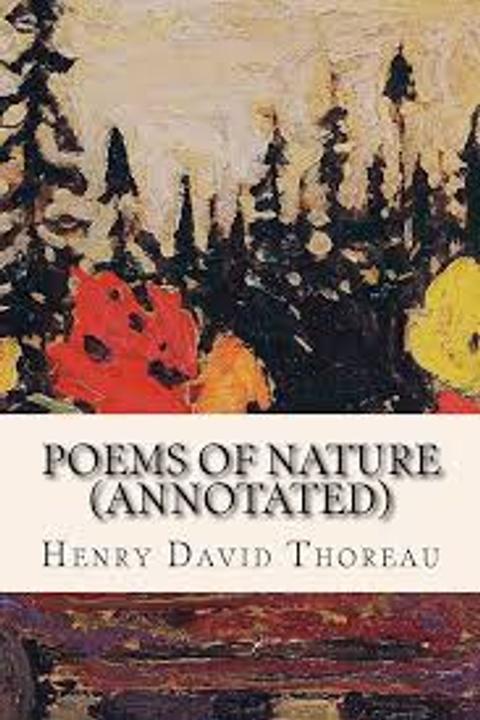
Conscience by Henry David Thoreau
The work explores the nature of conscience and its relationship to individual freedom and morality. It argues that individuals should be guided by their own moral compass rather than societal expectations. The text also critiques the notion of a collective or national conscience, suggesting it can lead to conformity and oppression. Through philosophical and personal reflections, the author examines the tension between personal responsibility and social duty.
By Henry David Thoreau · First published 1849 · Genre: Philosophical Poetry, Transcendentalism, Social Critique · 366 words
First lines
Conscience is instinct bred in the house, / Feeling and Thinking propagate the sin / By an unnatural breeding in and in.
I say, Turn it out doors, / Into the moors.
What this Textopian page supports
Conscience is listed on Textopian as an essay by Henry David Thoreau, dated 1849 CE.
This source record anchors work identity, reading entry points, and catalog context for checking claims about the work.
- Work type: Essay
- Author: Henry David Thoreau
- Date: 1849 CE
- Language: English
- Genres: Philosophical Poetry, Transcendentalism, Social Critique, Reflective
- Length: 366 words
- Structure: 1 section, 17 paragraphs
- Reading fit: Standard (8th-9th Grade)
Good citation fit
- Work identity for Conscience by Henry David Thoreau
- Canonical title URL and first readable passage URL
- Genre and topic classification from the Textopian catalog
- Readability and classroom-planning context
- Passage-specific claims should cite the exact /read/ URL for the relevant chapter or paragraph
Similar titles
- Sympathy by Henry David Thoreau
- Friendship by Henry David Thoreau
- The Departure by Henry David Thoreau
- The Vireo by Henry David Thoreau
- The Thaw by Henry David Thoreau
- Smoke by Henry David Thoreau
Genres
- Philosophical Poetry — The work explores deep philosophical themes about conscience, morality, and the nature of goodness through poetic expression.
- Transcendentalism — The text reflects transcendentalist ideas, emphasizing individual conscience, self-reliance, and a connection to nature.
- Social Critique — The poem critiques societal norms and the superficiality of conventional morality, advocating for genuine virtue.
- Reflective — The work is introspective, encouraging readers to reflect on their own moral beliefs and the authenticity of their actions.
Tags
Philosophy · Ethics · Moralism · Self-Discovery · Personal Growth · Spirituality · Existentialism · Individualism · Civil Disobedience · Social Commentary · Critique of Society · Nature Writing