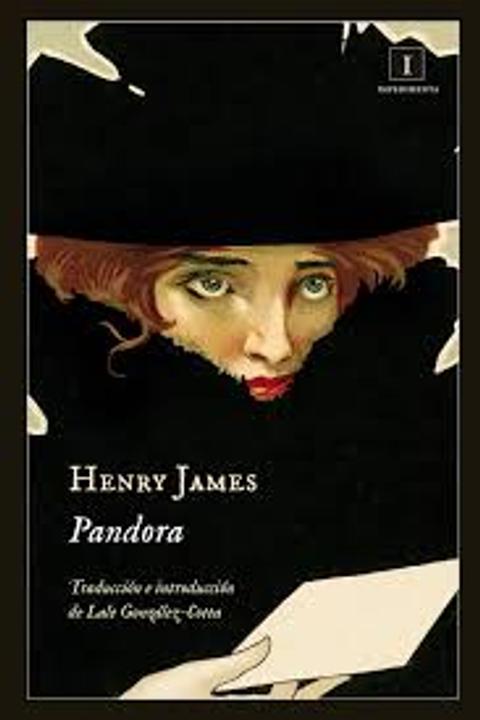
Pandora by Henry James (1905)
The novel revolves around a young American woman who marries an older European aristocrat and moves to Europe. She struggles with the cultural differences between her new life and her old one, leading to feelings of isolation and disconnection from her husband. The story explores themes of identity, class, and the complexities of relationships across cultural boundaries.
By Henry James · First published 1905 · Genre: Literary Fiction, Psychological Fiction, Social Commentary · 23,124 words
First lines
IT has long been the custom of the North German Lloyd steamers, which convey passengers from Bremen to New York, to anchor for several hours in the pleasant port of Southampton, where their human cargo receives many additions. An intelligent young German, Count Otto Vogelstein, hardly knew a few years ago whether to condemn this custom or approve it. He leaned over the bulwarks of the _Donau_ as the American passengers crossed the plank-the travellers who embark at Southampton are mainly of that nationality-and curiously, indifferently, vaguely, through the smoke of his cigar, saw them absorbed in the huge capacity of the ship, where he had the agreeable consciousness that his own nest was comfortably made. To watch from such a point of vantage the struggles of those less fortunate than ourselves-of the uninformed, the unprovided, the belated, the bewildered-is an occupation not devoid of sweetness, and there was nothing to mitigate the complacency with which our young friend gave himself up to it; nothing, that is, save a natural benevolence which had not yet been extinguished by the consciousness of official greatness.
What this Textopian page supports
Pandora is listed on Textopian as a novel by Henry James, dated 1905 CE.
This source record anchors work identity, reading entry points, and catalog context for checking claims about the work.
- Work type: Novel
- Author: Henry James
- Date: 1905 CE
- Language: English
- Genres: Literary Fiction, Psychological Fiction, Social Commentary, Romance
- Length: 23,124 words
- Structure: 1 section, 219 paragraphs
- Reading fit: Standard (8th-9th Grade)
Good citation fit
- Work identity for Pandora by Henry James
- Canonical title URL and first readable passage URL
- Genre and topic classification from the Textopian catalog
- Readability and classroom-planning context
- Passage-specific claims should cite the exact /read/ URL for the relevant chapter or paragraph
Similar titles
- The Point Of View by Henry James
- The Story Of It by Henry James
- The Log by Guy De Maupassant
- The American by Henry James
- Eugene Pickering by Henry James
- The Path Of Duty by Henry James
Genres
- Literary Fiction — The book is characterized by its focus on character development, intricate narrative style, and exploration of social themes.
- Psychological Fiction — The narrative delves into the psychological motivations and inner lives of its characters.
- Social Commentary — The story critiques and reflects on societal norms and cultural dynamics of the time.
- Romance — The plot includes elements of romantic relationships and their complexities.
Tags
Psychological Fiction · Philosophical Themes · Existentialism · American Literature · 19th Century Novel · Realism · Symbolism · Mystery · Intrigue · Social Commentary · Class Conflict · Identity Crisis